

How to Know If Your Marriage Needs Counseling
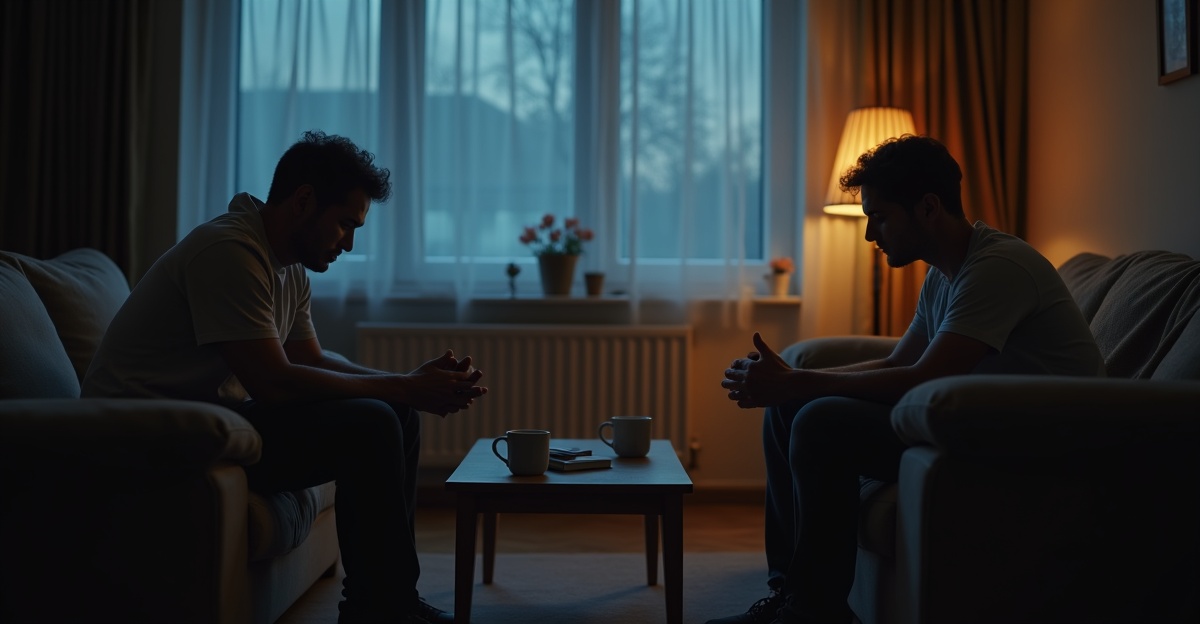
Recognizing the signs marriage needs counseling begins with noticing persistent conflict, communication shutdowns, emotional distance, or trust issues that we cannot resolve with our usual efforts. Repeated arguments, resentment, avoidance, or guarded behavior can start to feel like our “new normal.” That shift often signals that we need structured support to interrupt painful patterns and rebuild connection.
Key Takeaways
- Repeated, unresolved conflict and escalating arguments show that our repair process has broken down.
- Ongoing communication problems—such as defensiveness, avoidance, or pursue-withdraw patterns—often leave both partners feeling isolated.
- Emotional distance, reduced intimacy, and growing resentment signal unmet needs that require direct attention.
- Unresolved betrayal, broken trust, or chronic withdrawal can keep us stuck without outside support.
- Seeking counseling reflects a proactive step that focuses on shared patterns and healing rather than blame, and early support can prevent deeper harm.
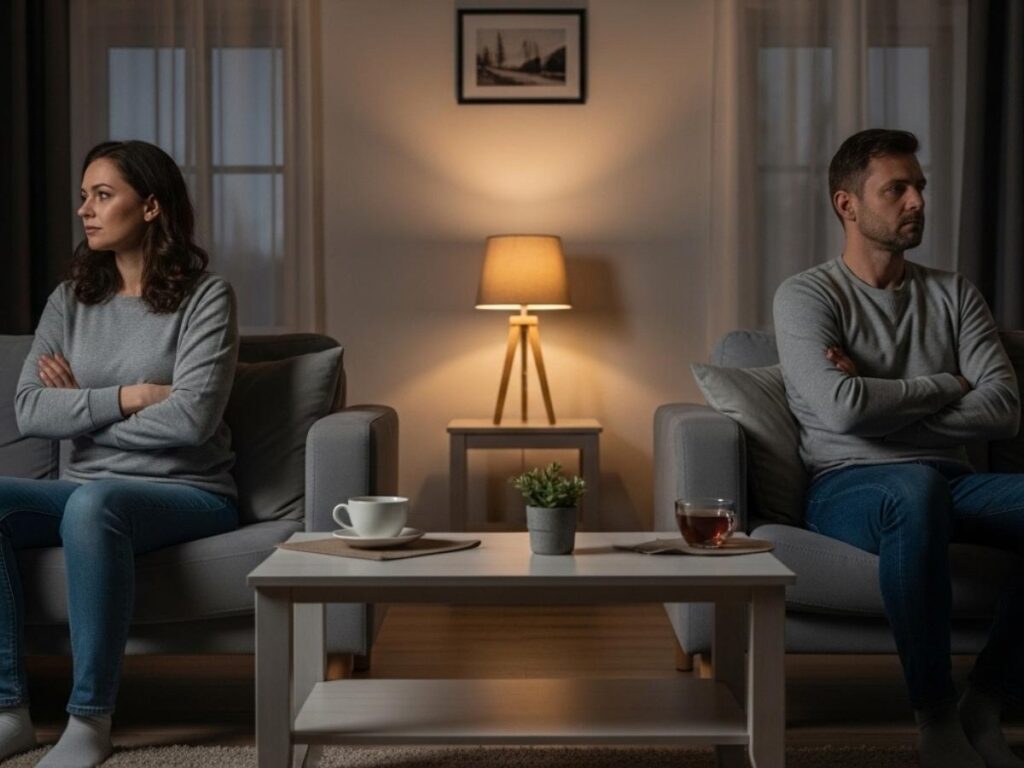
Are These Patterns Becoming Your “New Normal”? Recognizing the Most Common Signs Marriage Needs Counseling
Relationships shift over time. Stress comes and goes. But certain patterns can quietly settle in and start to feel like the “new normal.” When that happens, it’s worth pausing and asking whether these patterns are sustainable—or slowly eroding connection.
One of the clearest signs marriage needs counseling is persistent or escalating conflict. The same arguments repeat with different wording but no resolution. Tension builds faster than it used to. Disagreements linger for days instead of hours. Eventually, couples stop arguing about the issue at hand and start fighting about feeling unheard, disrespected, or dismissed.
Communication problems in marriage often sit at the center of this cycle. Conversations may shut down quickly or turn defensive. Hard topics are avoided because they feel unsafe or hopeless. One partner may pursue while the other withdraws. Over time, both feel alone in the relationship.
Emotional distance in marriage is another common sign. Partners begin to feel more like roommates than a connected couple. Affection decreases. Intimacy feels strained or infrequent. Shared laughter, rituals, and meaningful conversations fade. The relationship may still function logistically, yet the emotional bond feels thin.
Resentment and contempt can also take root. Frequent criticism, eye-rolling, sarcasm, or withdrawal signal deeper hurt. If goodwill is replaced with irritation or indifference, that’s important to notice. These aren’t personality flaws. They’re relational patterns that develop when needs go unmet for too long.
Unresolved betrayal or broken trust—whether related to infidelity, secrecy, or repeated broken promises—can keep partners stuck. Even if both want to move forward, daily interactions may still carry suspicion, pain, or guardedness.
Avoidance and disconnection round out the picture. Spending more time apart emotionally or physically can become a coping strategy. Some couples stay busy to avoid conflict. Others quietly wonder, does my marriage need counseling? That thought often arises when hope feels uncertain but leaving feels overwhelming.
We approach these concerns as shared patterns, not individual blame. Relationship problems and counseling are about understanding how two people get caught in cycles together. Once we see the pattern clearly, we can begin to shift it.

What’s Normal Stress—and What Might Signal It’s Time to Seek Support?
Every marriage experiences stress. Busy seasons at work, parenting strain, financial pressure, health challenges, or temporary dips in intimacy can test even strong partnerships. Occasional arguments are expected. Friction during major transitions is common.
Normal stress tends to be time-limited and responsive to effort. Couples argue, repair, and reconnect. They feel frustrated but still fundamentally safe and valued. Even in conflict, there’s a sense of “we’re on the same team.”
Concerning patterns look different. Resentment builds instead of resolving. Arguments escalate rather than soften. Efforts to repair don’t create lasting change. Emotional withdrawal becomes chronic. One or both partners feel unseen or misunderstood most of the time.
When to seek marriage counseling often comes down to this question: Are our own attempts to fix this working? If honest conversations, books, podcasts, or agreements keep leading back to the same painful cycle, additional support may help. Therapy can offer structured tools and a neutral space to interrupt patterns that feel stuck.
Many couples worry their struggles aren’t “serious enough.” They compare themselves to others and minimize their pain. Yet relationship problems and counseling aren’t reserved for crises. Seeking support early often prevents deeper wounds later.
For couples in Idaho Falls who are evaluating whether marriage counseling Idaho Falls or couples counseling Idaho Falls could help, this stage of uncertainty is common. Gathering information is a thoughtful first step. Awareness shows care for the relationship, not failure.

If You’re Hesitating, You’re Not Alone: Understanding the Stigma and Fear Around Counseling
Hesitation is deeply human. Many partners research privately before ever mentioning counseling out loud. It can feel vulnerable to admit that something isn’t working.
Some couples wait years before reaching out. They later say they wish they had come in sooner. Stigma still lingers. Therapy can be misinterpreted as admitting defeat or announcing that the marriage is broken.
In reality, counseling is a proactive step toward understanding and healing. It invites both partners to slow down and examine what’s happening beneath the surface. A common question we hear is, “Is couples therapy worth it?” The answer depends on willingness. If both partners are open to reflection and honest conversation, therapy often creates clarity and renewed connection.
Fear of being blamed or judged also keeps couples away. Many worry the therapist will “pick a side.” Ethical couples counseling does the opposite. The focus stays on patterns between partners. We look at how misunderstandings escalate, how unmet needs go unspoken, and how protective behaviors lead to distance.
You don’t have to figure this out alone. We can explore what’s happening together in a way that feels emotionally safe. Couples therapy isn’t about labeling one person as the problem. It’s about understanding how two people get stuck in cycles and how to step out of them.
Some couples find it helpful to read about what to expect from relationship counseling before scheduling, just as parents often research what does a child therapist do when considering support for their child. Knowing the structure and goals can ease anxiety and make the first session feel more manageable.

What Marriage Counseling Actually Looks Like (And What It Doesn’t)
Marriage counseling is a collaborative space guided by a trained, neutral therapist. Sessions provide room for both partners to speak and be heard. The therapist structures the conversation so it remains productive rather than reactive.
In couples counseling Idaho Falls, we often focus on three core areas:
- Strengthening communication so both partners feel understood.
- Building conflict resolution skills that reduce escalation.
- Reconnecting emotionally and, when appropriate, physically.
We explore underlying needs and attachment patterns in simple, accessible language. Instead of assigning labels, we identify recurring cycles. For example, one partner may pursue connection when anxious, while the other withdraws to manage overwhelm, a dynamic often explained through attachment theory in adult relationships. Once that pattern is visible, both can respond differently.
Many searches for marriage therapy near me come from couples who feel urgent frustration. While therapy can create meaningful change, it isn’t a quick fix. There’s no guaranteed outcome. Progress depends on honesty, consistency, and willingness to tolerate uncomfortable conversations.
The goal of marriage counseling Idaho Falls services is clarity, reconnection, and healthier communication. Sometimes that leads to renewed commitment. In other cases, it leads to thoughtful decisions about the future. Couples curious about reconciliation often explore questions like can couples therapy save a marriage as they weigh their options.
We hold space for both hope and realism. Growth takes effort. With guidance and dedication, relational patterns can shift in powerful ways.

When to Consider Reaching Out Sooner Rather Than Later
Certain situations call for earlier support. Emotional or physical abuse requires immediate attention and safety planning, and resources such as The National Domestic Violence Hotline can provide immediate confidential support. If interactions feel unsafe or frightening, outside professional or crisis support is essential.
Intense, escalating conflict that feels out of control also warrants prompt care. Severe emotional distress—such as depression, anxiety, or hopelessness connected to the relationship—shouldn’t be ignored. When the strain of the marriage significantly impacts daily functioning, early intervention can reduce long-term harm.
Reaching out in these moments isn’t dramatic. It’s protective. Support can stabilize communication, clarify next steps, and ensure safety remains the priority. No one deserves to remain in a situation where they feel harmed or endangered.

Considering Your Next Step Toward Support and Reconnection in Idaho Falls
Change begins with reflection. What patterns are we willing to keep living with? What might shift if we invited support into the process? When to seek marriage counseling is ultimately a personal decision, grounded in readiness and hope for growth.
A next step doesn’t have to be overwhelming. It might involve reading more about relationship problems and counseling. It may mean having an honest, gentle conversation with each other about what feels hard.
For couples exploring marriage therapy near me or considering marriage counseling Idaho Falls, we offer compassionate, inclusive support through our adult therapy services. Our work is grounded in emotional safety and respect for both partners’ experiences.
If you feel ready to talk, you can contact our team to schedule a consultation. We’ll move at a pace that feels manageable. Healing is rarely instant, yet meaningful shifts are possible when both partners commit to understanding and growth.
Frequently Asked Questions
Repeated arguments become a warning sign when the same issues resurface without resolution. If conflicts escalate quickly, linger for days, or shift into personal attacks, your repair process may be breaking down. When attempts to fix problems lead back to the same painful cycle, structured couples therapy can help interrupt negative communication patterns.
Yes, counseling can help even without frequent conflict. Emotional distance, reduced intimacy, and feeling like roommates instead of partners are common signs marriage needs counseling. Therapy focuses on rebuilding emotional connection, improving communication, and identifying unmet needs that may be causing quiet disconnection.
Starting couples therapy early is often more effective than waiting for a crisis, as shown in research on early intervention in couples therapy outcomes. When resentment, avoidance, or defensiveness first appear, they are usually easier to address. Early intervention strengthens communication skills and prevents deeper relational damage, making long-term repair more achievable.
Marriage counseling can still be beneficial if one partner is more concerned. Often, differences in urgency reflect different coping styles rather than lack of care. A therapist can help both partners explore concerns in a neutral space and clarify whether patterns truly signal that the marriage needs counseling.
Common communication issues include defensiveness, stonewalling, criticism, and pursue-withdraw dynamics. These patterns leave both partners feeling unheard or isolated. When conversations frequently shut down or escalate instead of leading to understanding, it often indicates that outside support may be necessary to rebuild healthy dialogue.