

When Is the Right Time to Start Couples Therapy?
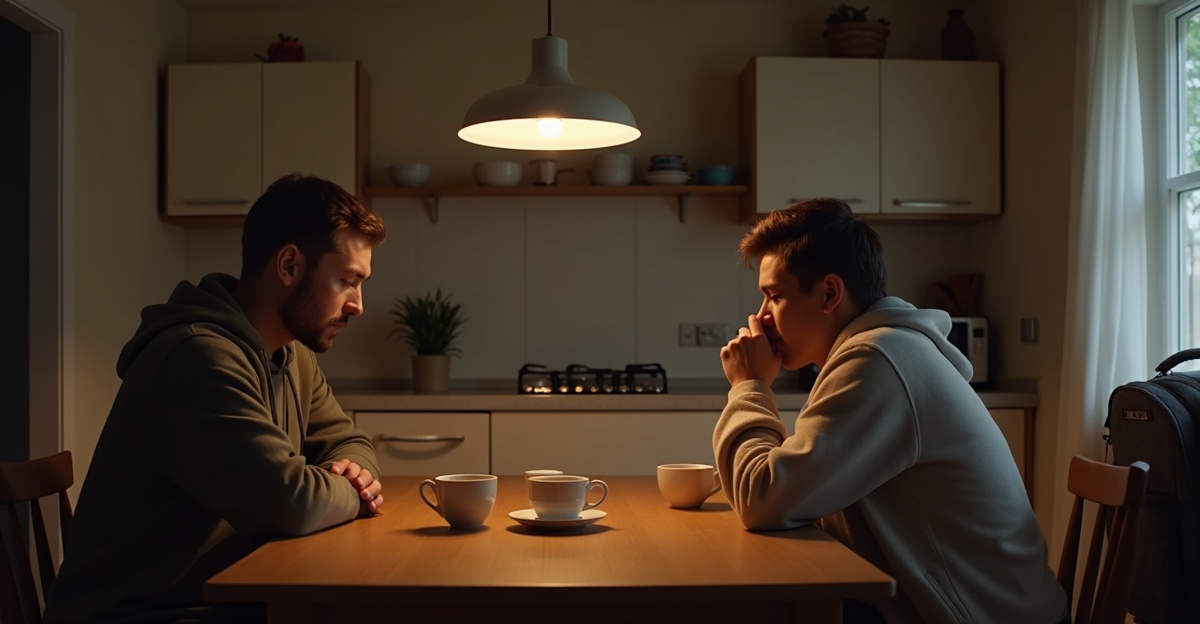
Deciding when to start couples counseling often arises during recurring conflicts, emotional distance, or major life transitions that leave us feeling disconnected or stuck. We see the right time to begin couples therapy as the moment patterns repeat without repair, communication breaks down, or trust feels strained—even if the relationship has not reached a crisis point.
Key Takeaways
- We do not need to wait for a breaking point; recurring unresolved arguments and ongoing communication problems signal that professional support may help.
- Emotional distance, trust strain, intimacy concerns, and parenting disagreements often point to patterns that improve with guided conversation.
- Starting therapy earlier prevents resentment from building and helps us develop healthier communication and conflict-resolution skills.
- Couples therapy centers on identifying patterns, practicing new tools, and strengthening emotional safety instead of assigning blame.
- Reaching out for support shows care and commitment to growth, and even a consultation gives us clarity about the next steps.
How to Tell If It May Be Time to Reach Out for Support
Deciding when to start couples counseling is one of the most common—and vulnerable—questions we hear. Many couples wonder if their concerns are serious enough for therapy.
Concerns don’t have to reach a breaking point to deserve attention. Therapy isn’t reserved for relationships on the brink of separation. It can also support couples who feel disconnected, stuck, or overwhelmed by changes they didn’t expect.
Often, couples are quietly asking themselves, “Is it time for couples therapy?” while trying to push through communication breakdowns or emotional distance on their own. Recurring tension, hurt feelings, and loneliness inside a relationship can feel heavy and isolating. Even strong partnerships experience seasons of strain.
Reaching out for relationship stress support is a proactive, growth-oriented step. It reflects care for the relationship—not failure. Early conversations with a therapist can strengthen a solid foundation just as much as they can stabilize a fragile one.
Clear Signs You May Benefit from Couples Therapy
Patterns matter more than one difficult week. Every couple argues or misunderstands each other at times. Ongoing cycles that repeat without repair, however, often signal that outside support could help.
Below are common signs you need couples therapy. The presence of one or two doesn’t mean your relationship is “broken.” It simply means support could make things easier and more constructive.
- Recurring unresolved arguments. The same issues surface again and again, with little resolution.
- Relationship communication problems. Conversations end in shutdown, criticism, defensiveness, or interruptions—patterns similar to those identified in Gottman’s research on destructive conflict behaviors.
- Emotional distance. You feel more like roommates than partners.
- Trust strain. Secrecy, broken promises, or feeling unsafe sharing honestly creates tension—even if there hasn’t been infidelity.
- Parenting disagreements. Conflict around discipline, roles, or responsibilities adds stress at home.
- Life transition stress. A new baby, job change, move, illness, or shift in faith challenges your sense of stability.
- Intimacy concerns. Emotional or physical closeness feels strained or absent.
- Feeling stuck. You’ve tried to fix things on your own, but nothing seems to shift.
Couples don’t have to wait for a crisis to qualify for care. Many are simply ready to understand how couples therapy helps create healthier patterns. Early support can interrupt cycles before they harden into resentment.
If uncertainty remains about whether your situation calls for professional help, exploring how to know if your marriage needs counseling can offer additional clarity.
Why Starting Earlier Can Make a Meaningful Difference
The benefits of couples counseling often increase when conversations start sooner rather than later. Small misunderstandings, left unattended, can quietly grow into deeper injury.
Early relationship counseling can:
- Prevent resentment and emotional withdrawal from intensifying.
- Build communication and conflict-resolution skills before unhelpful habits become ingrained.
- Help couples approach stress as a team instead of as adversaries.
Some couples wait until everything feels unbearable. At that stage, trust may be more fragile, and emotional safety can require more time to rebuild. Starting earlier doesn’t guarantee a specific outcome, yet it often creates more room for repair and renewed connection.
We encourage couples to view therapy as support, not a last attempt. Relationship stress support works best when both partners feel open to reflection and learning—even if uncertainty is still present.
What Couples Therapy Actually Looks Like
Uncertainty about the process can keep couples from scheduling that first session. Understanding what happens in therapy often reduces that hesitation.
Couples sessions typically involve collaborative conversations guided by a licensed therapist. We create structured dialogue that promotes emotional safety and mutual understanding. Each partner has space to speak and feel heard.
The work often includes:
- Identifying patterns that escalate conflict.
- Practicing new communication tools in real time.
- Building skills in repair, empathy, and emotional regulation.
Therapy isn’t about assigning blame or deciding who is right. We don’t take sides. We help each partner understand how their actions and reactions influence the system of the relationship.
Many couples find it helpful to review what to expect from relationship counseling before their first appointment. Knowing the structure can ease anxiety and increase focus on growth.
When considering when to start couples counseling, it helps to remember that therapy is shaped around each couple’s goals, values, and faith or family traditions. The process evolves based on what matters most to you both.
Common Doubts—And Gentle Reassurance
Questions and hesitation are completely normal. We often hear concerns like:
“What if our problems aren’t bad enough?”
“What if my partner isn’t sure?”
“Does starting therapy mean our relationship is failing?”
Ambivalence doesn’t disqualify you from support. Many couples begin with one partner more motivated than the other. Honest conversation about that difference can happen in session.
Beginning couples counseling in Idaho Falls doesn’t label a relationship as broken. Instead, it signals willingness to grow. Marriage counseling in Idaho Falls is for couples at many stages—newly committed, long-term partners, parents, or those facing major decisions.
If you’re still asking, “Is it time for couples therapy?” consider this: therapy is a space for clarity. Even a consultation can help determine next steps. We focus on emotional safety and respect, honoring the values and beliefs that shape your relationship.
Couples who wonder whether counseling can truly shift long-standing patterns sometimes explore can couples therapy save a marriage to understand what change can look like. Realistic expectations matter. Therapy supports growth—consistent with guidance from the Advanced Psychiatry Associates on psychotherapy effectiveness—but it requires effort and openness from both partners.
Taking the Next Step at Your Own Pace
Deciding when to start couples counseling is deeply personal. Some couples call after one painful season. Others wait years. There isn’t a perfect timeline—only readiness for honest conversation.
If relationship stress support feels appropriate, we invite you to explore our adult therapy services to learn more about our approach. You can also reach out for a consultation when you feel ready. We’re here to support you as you consider what’s right for your relationship.
Couples counseling in Idaho Falls is available for partners who want to strengthen communication, repair trust, or simply feel close again. Taking that first step reflects care for each other and for the life you’re building together.
Frequently Asked Questions
You should consider couples counseling when unhealthy patterns repeat without resolution. Frequent unresolved arguments, emotional withdrawal, or ongoing communication breakdowns are common indicators. Therapy is most effective when started before resentment deepens. Seeking help early allows both partners to develop healthier conflict-resolution skills and rebuild connection before issues become more entrenched.
No, you don’t have to wait for a crisis to begin couples therapy. Many couples start counseling during periods of transition, stress, or growing disconnection. Early support can prevent small misunderstandings from escalating into major relationship damage. Starting sooner often strengthens communication and emotional safety—an approach supported by preventative relationship education research from the University of Denver—rather than signaling failure.
Yes, couples counseling can still begin if one partner is more motivated than the other. A therapist can help explore hesitations and create space for both perspectives. Sometimes one partner’s willingness to seek support opens the door to meaningful dialogue. Progress typically improves when both partners engage, but initial ambivalence is common and workable.
Common signs include recurring conflicts about the same topics, feeling more like roommates than partners, trust concerns, parenting disagreements, or reduced emotional and physical intimacy. If conversations regularly end in defensiveness, criticism, or silence, outside guidance may help. Counseling provides tools to interrupt negative cycles and rebuild mutual understanding.
No, beginning couples counseling does not mean a relationship is failing. It often reflects commitment to growth and a desire to strengthen the partnership. Many healthy couples use therapy proactively to improve communication and navigate life transitions. Seeking professional support signals care for the relationship, not weakness or defeat.