

How Does Play Therapy Work?
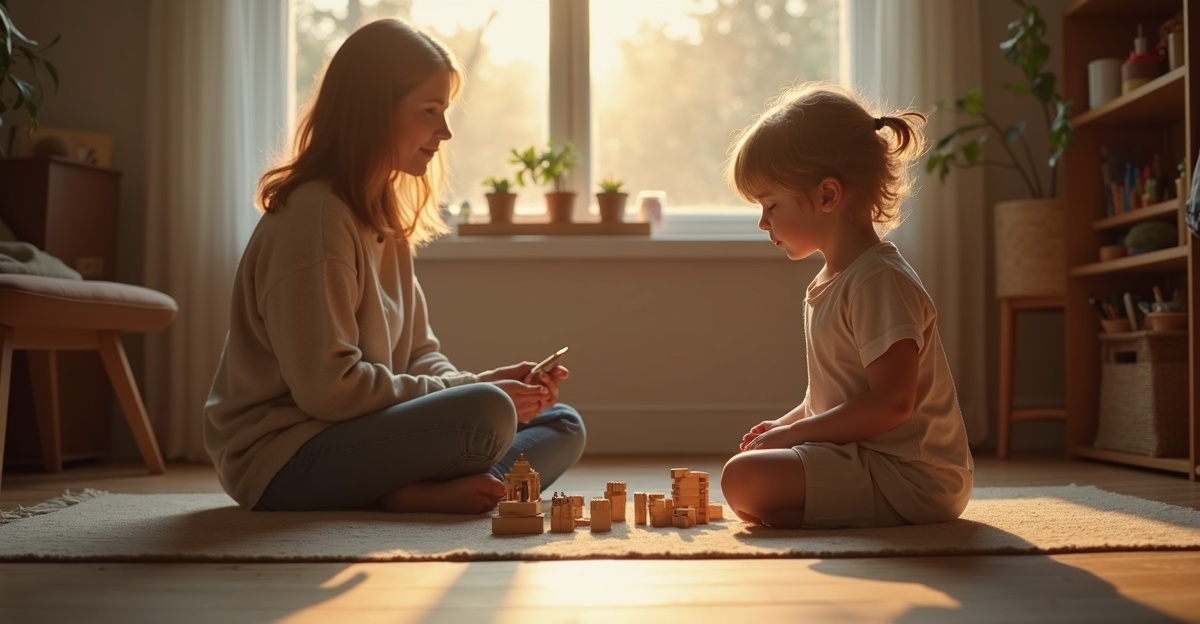
Many parents ask how play therapy works, especially when sessions look like simple play instead of traditional talk therapy. We explain that play therapy is a structured, evidence-based method where trained clinicians use developmentally appropriate play, careful observation, and guided reflection to help children process anxiety, trauma, grief, and behavioral challenges in a safe, supportive setting. We approach each session with clear clinical goals, even when the child experiences it as natural play.
Key Takeaways
- Play therapy is a clinician-guided, intentional process—not unstructured free play—and we ground it in child development research and proven therapeutic methods.
- Children communicate and process experiences through symbolic play, especially when they don’t yet have the language for complex emotions.
- We observe patterns, reflect feelings, and create emotional safety so children can build coping skills and long-term resilience.
- Play therapy supports concerns such as anxiety, trauma, grief, behavioral struggles, and social difficulties across different developmental stages.
- Progress often shows up as steady improvements in emotional regulation, communication, confidence, and stronger parent-child connection.
Is My Child Just Playing—or Is Therapy Really Happening?
Many parents sit with the same worry: “Will my child just be playing?” Families often wonder, “Does play therapy really work?”
We understand that concern. From the outside, play therapy can look like toys on the floor and imagination at work. In reality, play therapy is a structured, intentional, and clinician-guided form of therapy for kids. It isn’t unstructured free play. It’s a carefully supported process led by trained professionals who understand child development, attachment, trauma, and emotional regulation.
So how does play therapy work? Children communicate differently than adults. While adults talk through stress, children express experiences through play. A skilled therapist joins that play in purposeful ways, observes patterns, reflects emotions, and gently guides the child toward greater understanding and coping.
Play therapy is widely recognized as an evidence-based approach, with supporting research summarized by the Association for Play Therapy. It’s commonly used to support children facing anxiety, trauma, behavioral challenges, grief, divorce, and social difficulties. It doesn’t promise instant change, but it offers a developmentally appropriate way for children to heal and grow.
Researching child counseling services is not a sign of failure. It’s a proactive and loving step. Families who explore therapy early often give their children tools that strengthen resilience for years to come.
What Is Play Therapy and Why Is Play a Child’s Language?
Play therapy is a developmentally appropriate form of child counseling services that helps children express and process emotions through play. Instead of relying solely on conversation, therapy meets children where they are.
Young children often don’t yet have the words for complex emotions like grief, fear, shame, or confusion, which is why child development research on symbolic play and emotional expression highlights play as a primary communication tool. When something overwhelming happens, they may act it out rather than explain it. Play becomes their language.
Through dolls, sand trays, art, building materials, and storytelling, children express emotions through play when words aren’t enough. A child might reenact a frightening event with action figures. Another might bury and uncover objects in sand to represent loss or uncertainty. These symbolic expressions give therapists valuable insight into a child’s inner world.
We also recognize a developmental truth: children process experiences through sensory, imaginative, and symbolic expression long before they can process them through abstract discussion. Therapy for kids must match that stage of life.
This is central to answering the question, how does play therapy work. It works because it aligns with developmental readiness. It creates emotional safety. Within a safe, consistent environment, children can explore big feelings at their own pace. They don’t have to explain everything perfectly. They get to experience understanding without pressure.
If families are curious about the role professionals play in that safe space, we explain more in our guide to what a child therapist does.
What Happens in Play Therapy Sessions?
Parents often want to know what happens in play therapy and what a typical session looks like.
Sessions take place in a consistent, private therapy room intentionally prepared for children. You might see art supplies, sand trays, dolls, action figures, puppets, costumes, and building materials. Each item serves a purpose. The room is structured to encourage expression, problem-solving, and relational connection.
Time boundaries are clear. Sessions start and end at predictable times. This structure creates emotional security. Children thrive when they know what to expect.
Inside that space, the therapist observes play themes, emotional shifts, and relational patterns. We pay attention to how a child approaches challenges, handles frustration, or creates stories. Rather than directing or controlling play, we gently reflect feelings and highlight strengths. We might say, “That character looks really scared,” or “It seems like the doll feels left out.” These reflections build emotional awareness.
Therapists who provide play therapy have specialized training in child development and theory-backed play therapy interventions. The work is thoughtful and grounded in research. Even when sessions look simple, they are purposeful.
For families wondering about starting, learning about what a first therapy session looks like can reduce uncertainty and help everyone feel more prepared.
How Play Therapy Helps Children Process Anxiety, Trauma, and Big Emotions
Children experience anxiety and trauma in deeply physical and emotional ways. They may not say, “I feel anxious.” Instead, they show it through tears, anger, clinginess, sleep problems, or school refusal.
Play therapy for anxiety allows children to externalize their worries. A “scary” doll might represent fear. A superhero may defeat a villain that symbolizes panic. By placing fear outside themselves, children gain a sense of mastery and control. Over time, we often see increased confidence and improved coping.
Play therapy for trauma offers a gradual and supported path for processing overwhelming experiences. Children don’t have to verbally recount events before they’re ready. Through symbolic play, they can revisit and reorganize experiences in manageable pieces. This approach aligns closely with principles outlined in trauma-informed care frameworks used in children’s mental health, which prioritize safety and emotional regulation.
Play therapy may help children facing:
- Anxiety
- Trauma
- Grief
- Divorce or family transitions
- Behavioral challenges
- Social skill difficulties
Across these concerns, the benefits of play therapy often include stronger emotional regulation, improved coping skills, and greater resilience. Families may also notice better communication and stronger parent-child attachment.
Therapy is never a guarantee. Healing takes time. Still, research and professional experience consistently show that developmentally matched therapy for kids can create meaningful change. Families wanting a broader overview of emotional growth through one-on-one care can explore the benefits of individual therapy as well.
What Progress Can Look Like (And When to Consider Support)
Progress in play therapy is often gradual and sometimes subtle. We look for shifts beneath the surface, not dramatic overnight change.
Families may notice:
- A child saying “I’m mad” instead of throwing objects
- Stronger attachment and connection at home
- Fewer meltdowns or shorter behavioral disruptions
- Increased confidence with peers
These small shifts matter. They signal developing emotional skills.
We also collaborate closely with caregivers. Parents are part of the healing process. Regular check-ins allow us to share themes emerging in sessions (within appropriate confidentiality), strengthen communication at home, and align on strategies that support growth.
It may be time to consider play therapy if families observe persistent anxiety or fears, noticeable changes after a stressful event, ongoing behavioral struggles at home or school, withdrawal, or peer difficulties. Children don’t always “grow out of” these patterns. Early support can prevent challenges from becoming more entrenched.
If families are unsure whether concerns rise to the level of needing support, we offer guidance in how to tell if a child needs therapy. For those in our community considering child therapy in Idaho Falls, our child and adolescent services provide play therapy within a safe, structured setting.
If questions remain, families can always reach out to our team. We’re here to talk through concerns with care and clarity.
A Safe, Supported Path Forward for Your Family
Play therapy is one evidence-based approach among many. It isn’t the only path, but for many families, it offers a powerful and developmentally appropriate way to support healing.
Every child deserves emotional safety, respect, and inclusive care. We approach each family with openness and curiosity. There is no one-size-fits-all solution. Instead, we collaborate to understand strengths, struggles, and goals.
Parents know their children best. Exploring therapy reflects love and commitment, not failure. When families ask how does play therapy work, they are already taking a meaningful step toward understanding and support.
We welcome conversations without pressure. Together, we can explore options and identify what feels aligned for your child and family.
Frequently Asked Questions
Play therapy progress varies depending on the child’s needs, age, and the challenges being addressed. Some children show early improvements in emotional expression or behavior within a few sessions, while deeper concerns like trauma or anxiety may require several months of consistent therapy. Therapists typically monitor patterns over time and collaborate with parents to track gradual improvements in emotional regulation, communication, and coping skills.
Play therapy is most commonly used for children between ages 3 and 12 because younger children communicate emotions more naturally through play than conversation. However, the approach can be adapted for teenagers using creative activities, storytelling, or expressive tools. The key reason play therapy works for younger children is that it matches their developmental stage and allows them to process emotions in ways that feel natural and safe.
Parents are often involved in play therapy through regular check-ins, feedback sessions, or parent guidance meetings. While the child typically meets individually with the therapist, caregivers receive updates about themes, progress, and strategies to support emotional growth at home. Parent involvement helps strengthen the child-parent relationship and ensures that coping skills learned in therapy continue outside the therapy room.
Yes, play therapy is commonly used to help children with behavioral challenges such as aggression, defiance, or difficulty following rules. Through structured play, therapists observe emotional triggers and teach healthier ways to express frustration, fear, or anger. As children learn to identify feelings and develop coping skills, many families notice improvements in behavior, communication, and self-control at home and school.
A child may benefit from play therapy if they show persistent anxiety, emotional outbursts, withdrawal, sleep problems, or difficulty adjusting after stressful events such as divorce or loss. Other signs include frequent meltdowns, school avoidance, or social struggles with peers. Play therapy provides a supportive environment where children can safely express emotions and build healthier coping skills.