

Is My Child on the Autism Spectrum?
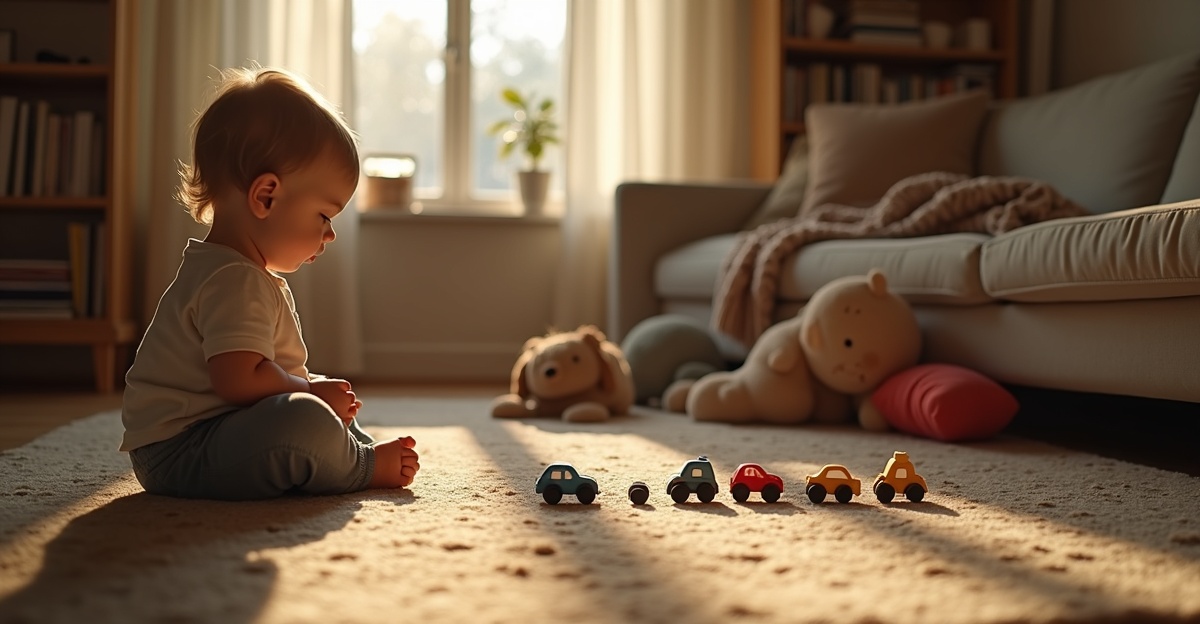
If we’re asking, “Is our child on the autism spectrum?” learning the early signs of autism in children helps us notice patterns in social communication, behavior, and sensory responses instead of focusing on one isolated trait. We look for consistent themes over time. We pay attention to how our child connects, plays, and responds across settings. Understanding how these signs show up in toddler and preschool years, and knowing when to request screening or evaluation, gives us clarity and direction for next steps with steady, compassionate support.
Key Takeaways
- Early signs of autism in children tend to show up as consistent patterns in social interaction, communication, repetitive behaviors, and sensory responses across different settings and over time. We look for repetition and persistence rather than one-off behaviors.
- Developmental differences may seem subtle during toddlerhood and stand out more in preschool years as social and language expectations grow. Increased group play and structured learning often highlight gaps we might not have seen earlier.
- Red flags such as loss of previously gained skills, limited use of gestures, lack of babbling, or absence of two-word phrases by 24 months call for a conversation with a pediatrician. Acting early helps us access support sooner.
- The American Academy of Pediatrics recommends ongoing developmental monitoring along with autism-specific screening at 18 and 24 months, or earlier if concerns come up. We can request screening even if it’s not offered automatically.
- A developmental evaluation gives us a clear picture of our child’s strengths and areas where support may help. This process guides families toward early intervention services and provides structured recommendations so we can move forward with confidence and informed care.
When You Start Wondering About Your Child’s Development
Noticing differences in your child’s development can stir up many emotions at once. We often hear from parents who feel love, protectiveness, confusion, and fear all in the same moment.
It’s deeply human to wonder whether something is different. Many parents notice subtle shifts before anyone else does. Paying attention to those instincts is an act of care.
As we explore the early signs of autism in children, we want to be clear: this article is educational. It cannot diagnose autism. Only qualified professionals can provide a formal diagnosis. What we can do here is offer guidance so we feel more informed and supported in the process.
Autism spectrum disorder is a neurodevelopmental condition that affects communication, social interaction, behavior, and sensory processing, according to the Centers for Disease Control and Prevention. It’s called a “spectrum” because it presents differently in every child. Some children have significant support needs. Others are highly verbal and academically strong but struggle socially or with flexibility.
Guidance on developmental milestones and screening is widely supported by the American Academy of Pediatrics (AAP) and the CDC, both of which recommend routine developmental monitoring and screening in early childhood. Early awareness helps families access appropriate support sooner rather than later.
If we’re wondering about social communication delays or subtle behavioral differences, we’re not alone. We can explore this together so we feel grounded and steady in the next steps.
What Are the Early Signs of Autism in Children?
The early signs of autism in children often show up as patterns over time rather than one isolated behavior. One or two traits alone do not confirm autism. What matters most is how differences cluster and persist across settings.
Below are broad categories to help us observe gently, without turning daily life into a checklist.
Common patterns parents may notice
Social interaction differences may include:
- Limited eye contact or inconsistent response to their name
- Preferring to play alone most of the time
- Difficulty with back-and-forth play or sharing enjoyment
- Reduced use of gestures such as pointing or waving
Communication differences can look like:
- Speech delay and autism concerns, such as few or no words by 16 months or not combining two words by 24 months
- Limited babbling in infancy
- Repeating phrases (echolalia) instead of spontaneous language
- Challenges with conversational turn-taking
Behavioral patterns, including repetitive behaviors in children, may involve:
- Lining up toys or focusing intensely on specific topics
- Repetitive motor movements such as hand-flapping, rocking, or spinning
- Strong need for routines and distress when plans change
Sensory differences sometimes appear as:
- Overreaction or underreaction to sounds, textures, lights, or touch
- Unusual fascination with sensory aspects of objects, like spinning wheels or watching lights closely
Autism symptoms in toddlers may be subtle at first. Social communication delays are often one of the earliest indicators. At the same time, many children show temporary quirks that fade with time. Looking for consistent patterns across months and environments gives us clearer information than observing a single moment.
How Signs May Look Different in Toddlers vs. Preschoolers
Signs of autism in young children can shift as expectations change. What’s noticeable at 18 months may look different at age four.
During the toddler stage (12–24 months), families may notice limited imitation, such as not copying clapping or waving. Some toddlers don’t point to show interest by around 18 months. Others show little interest in simple pretend play or have delayed responses to their name. Autism symptoms in toddlers often center on early social engagement and communication.
In the preschool stage (3–4 years), differences can become clearer as social demands increase. A child may struggle with cooperative pretend play or have difficulty understanding others’ facial expressions and feelings. Conversations might revolve around very focused interests. Transitions between activities may trigger intense distress due to challenges with flexible thinking.
Children develop at different rates. Comparison alone is not evidence of a disorder. A quieter child or a child with a strong personality is not automatically showing child developmental red flags.
We sometimes work with families who noticed a speech delay at age two. By three, repetitive play and sensory sensitivities became clearer. A conversation with their pediatrician led to further evaluation. This gradual unfolding is common. Signs of autism in young children may become more noticeable as classrooms, peer interaction, and communication expectations grow.
What’s Typical Development—and What Might Be a Red Flag?
Variation in development is normal. Some children talk later. Some warm up slowly in social settings. Others develop intense interests that are completely typical.
One helpful distinction is this: a delay affects timing, while a difference affects the way a skill develops. Both deserve curiosity and compassion.
Certain child developmental red flags may warrant further exploration:
- Loss of previously acquired language or social skills at any age
- No smiling or joyful expressions by 6 months
- No back-and-forth interactions (smiling or sounds) by 9 months
- No babbling by 12 months may indicate a developmental concern, based on early communication milestones outlined by the CDC
- No pointing or gesturing by 14–18 months
- No meaningful two-word phrases by 24 months (excluding imitation)
The AAP recommends developmental surveillance at every well-child visit and standardized autism screening for children at 18 and 24 months. If concerns appear earlier, screening can happen sooner. Many parents ask when to test for autism. The answer is simple: whenever persistent concerns arise.
Noticing red flags does not mean something is “wrong.” It means more information could help. Autism screening for children is a tool to clarify strengths and areas that may need support.
If we’re unsure whether behaviors rise to the level of concern, learning how to tell if a child needs therapy can offer additional perspective.
When to Test for Autism and What the Evaluation Process Looks Like
Deciding when to test for autism often starts with a conversation. If we notice several early signs of autism in children, developmental delays, regression, or shared concerns from teachers or caregivers, it’s wise to speak with a pediatrician.
Autism screening for children usually involves brief questionnaires completed by parents and sometimes educators. Providers observe social communication, play skills, and behavior. Screening identifies whether a more comprehensive assessment is recommended.
A developmental evaluation for autism goes deeper. It typically includes:
- A detailed developmental history
- Structured observation of social interaction and communication
- Input from parents and sometimes teachers
- A discussion of strengths and areas needing support
This process is meant to understand the whole child. It is not about labeling or judging. It’s about clarity.
When children qualify for services, early intervention can support communication, social skills, and emotional regulation. Early intervention does not guarantee specific outcomes, but research summarized by the Hello Aba and Human Development shows that early support can improve developmental outcomes.
Families often feel anxious before an evaluation. That’s natural. Bringing questions, sharing honest observations, and advocating for clarity are powerful steps. A developmental evaluation for autism opens doors. It does not lock families into one path.
Finding Support in Idaho Falls: You Don’t Have to Navigate This Alone
Families in Idaho Falls and surrounding areas have access to compassionate developmental support. If we’re concerned about early signs of autism in children, local care can provide guidance and reassurance.
At Aspen Mental Health Services, we support families through uncertainty with steadiness and warmth. Our child and adolescent services focus on emotional health, communication skills, and family connection. We also help parents understand what a child therapist does and how therapy can support growth at different developmental stages.
We can help explore next steps, connect families with autism screening for children, and process emotions that arise during a developmental evaluation for autism. Family counseling and parent support are often just as important as individual therapy, especially during periods of concern.
If we’re noticing signs of autism in young children and would like support clarifying what they mean, reaching out can bring relief. Our team is here to listen, offer steady guidance, and walk alongside families as they gather information and decide what feels right.
To start a conversation, families can contact our team. Every child develops differently. Our role is to support growth with respect, compassion, and care.
Frequently Asked Questions
The earliest signs of autism in children often involve differences in social communication and interaction. Parents may notice limited eye contact, delayed babbling, lack of pointing or gestures, or reduced response to their name. Some children also show repetitive behaviors or unusual sensory reactions. These patterns typically appear during the first two years and tend to persist across different environments rather than occurring as isolated behaviors.
Autism symptoms in children often become noticeable between 12 and 24 months of age. Early indicators may include limited babbling, lack of gestures like pointing, or delays in combining words. In some cases, signs become clearer during preschool years as social and language expectations increase. Developmental screening around 18 and 24 months helps identify potential concerns earlier.
A speech delay mainly affects language development, while autism typically affects both communication and social interaction. Children with a speech delay often use gestures, maintain eye contact, and seek interaction even if their vocabulary is limited. In contrast, children with autism may show reduced social engagement, limited gestures, repetitive behaviors, or challenges with back-and-forth interaction along with delayed speech.
A child should be evaluated for autism if consistent developmental concerns appear, such as lack of babbling by 12 months, no gestures by 14–18 months, or no meaningful two-word phrases by 24 months. Loss of previously learned language or social skills also requires immediate attention. Pediatricians can perform initial autism screening and refer families for a comprehensive developmental evaluation if needed.
Yes, early intervention can support children with autism by strengthening communication, social skills, and emotional regulation. Services may include speech therapy, behavioral therapy, and developmental support programs tailored to the child’s needs. Starting intervention during toddler or preschool years can improve learning opportunities and help children build important skills during critical stages of development.