

How Child Therapy Helps Build Social Skills?
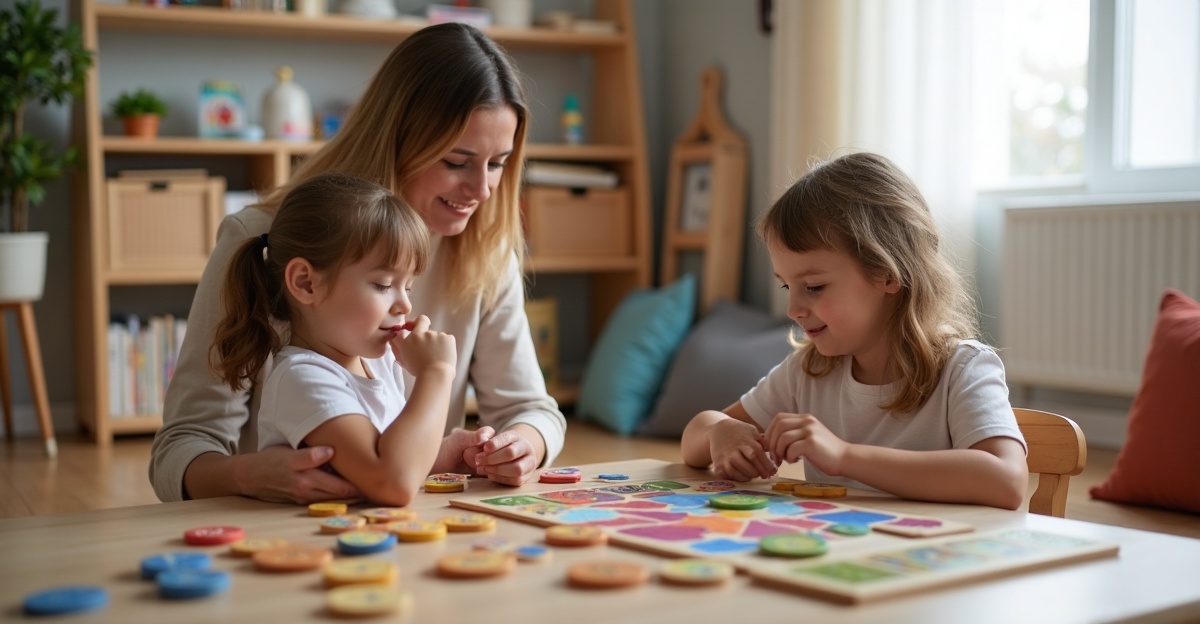
Child social skills therapy helps children manage persistent peer, communication, or emotional challenges that cause distress or disrupt friendships, school, or daily routines. We provide individualized, strengths-based support. Children can build communication, emotional regulation, self-advocacy, boundaries, and problem-solving skills without pressure to change who they are.
Key Takeaways
- Social challenges may need added support if they continue, cause distress, or affect a child’s relationships, school participation, or family life.
- We can address factors that shape social experiences, including anxiety, sensory needs, communication differences, bullying, grief, and school stress.
- Children can practice joining conversations, taking turns, recognizing emotions and social cues, resolving conflict, and asking for help or space.
- Play, role-playing, stories, art, and real-life problem-solving give children low-pressure ways to explore difficult social situations.
- Parent guidance and coordination with schools or caregivers help children receive consistent, respectful support in daily settings.
When Social Challenges May Need More Support
Being quiet, shy, introverted, slow to warm up, cautious with new people, or temporarily withdrawn can all be part of typical social development. Occasional struggles with peers do not automatically mean a child needs therapy.
Child social skills therapy may be worth exploring when these challenges persist, upset a child, or interfere with friendships, school, family routines, or everyday participation. It may help to speak with a qualified mental health professional when social struggles are ongoing, affecting school or friendships, leading to frequent conflict or isolation, or becoming harder for a family to manage.
Some children want friends deeply but repeatedly feel left out. Others become overwhelmed during group activities, struggle to express needs without shutting down or becoming angry, or find transitions, rejection, conflict, and unfamiliar settings especially hard.
Social challenges can arise for many reasons. Anxiety, ADHD, autism, learning or communication differences, sensory needs, bullying, exclusion, family changes, grief, trauma, and school stress can all shape a child’s experience. A list of behaviors cannot diagnose a child. Context matters.
Effective child behavioral support looks beyond asking a child to change. We may need to adjust expectations, address bullying or school stress, honor sensory needs, improve communication at home, or create more supportive routines. Families who are unsure about next steps can learn more about signs a child may need therapy.
A blog post cannot assess or diagnose a child. Licensed mental health professionals can offer individualized guidance when concerns feel persistent or life-interfering.
How Child Social Skills Therapy Can Support Children
Child social skills therapy is individualized support that can help children practice communication skills, emotional awareness, coping, problem-solving, boundaries, self-advocacy, and relationship skills. It supports social development while respecting each child’s personality, strengths, and communication style.
“Social skills therapy” is not always a separate or standardized service. Depending on a child’s needs and a provider’s approach, it may be part of child therapy, play therapy, child behavioral support, family therapy, parent coaching, or coordination with school and medical providers. Families can also explore what a child therapist does as they consider support.
The goal is not to make a child more outgoing, more typical, or less themselves. Therapy can help children communicate needs, build confidence, understand boundaries, respond to difficult social situations, and form meaningful connections in ways that feel authentic.
Emotional regulation is often part of this work. In everyday terms, emotional regulation means learning to notice, express, and manage big feelings in safer and more effective ways. A child who can recognize rising frustration may be better able to ask for space, use a calming tool, or return to a conversation after a break.
Progress looks different for every child. It depends on strengths, needs, relationships, daily environment, and consistent support. Child social skills therapy cannot promise to quickly solve friendship struggles or eliminate conflict. It can create a supportive space for children and families to understand what is happening and practice healthier peer relationships over time.
Social Skills Children May Practice in Therapy
Practice should fit the child, rather than follow a one-size-fits-all checklist. A therapist may focus on the situations that feel most important in a child’s daily life, such as recess, classroom participation, sibling conflict, group activities, or changes in routine.
Children may explore communication skills such as starting, joining, and ending conversations; listening and taking turns; sharing interests; and asking thoughtful questions. They may also practice expressing needs, preferences, and personal boundaries clearly and respectfully.
Therapy can help children identify feelings in themselves and others. They may learn to notice facial expressions, tone of voice, personal space, and other social cues. Social cues are information to observe and interpret, not rules children must use to hide their personality or force themselves to fit in.
Emotional regulation can support children through frustration, disappointment, rejection, and overwhelm. Sessions may also address peer conflict, including how to repair misunderstandings, consider possible solutions, and decide when to ask an adult for help.
Self-advocacy remains essential. A child may practice asking for a break, requesting clarification, saying no, or identifying when a situation feels unsafe or uncomfortable. These skills support meaningful connection, consent, and personal boundaries alongside peer interaction.
What Child Behavioral Support May Look Like in Sessions
Child behavioral support should feel warm, respectful, and responsive to the child in front of us. Sessions may use play, stories, games, role-playing, art, structured practice, emotion-identification tools, parent guidance, and real-life problem-solving.
Play-based and creative approaches can lower pressure. They give children room to explore feelings, practice conversations, and rehearse situations that may otherwise feel too stressful to discuss directly. Families can learn more about how play therapy works and what children may experience in play therapy sessions.
A therapist may role-play joining a game, asking for help, or responding after a peer says no. Stories and pictures can help children consider what a character may feel or need. A child may practice calming strategies before revisiting a frustrating social moment, then explore possible repair steps after a misunderstanding.
Parent coaching or family therapy may be helpful when caregivers want practical ways to reinforce coping and communication skills at home. Coordination with teachers, caregivers, school supports, and medical providers may also support consistency when appropriate.
Good child social skills therapy considers strengths, communication style, sensory needs, relationships, and daily environment. For autistic children, affirming support should honor neurodiversity rather than pressure a child to mask who they are. Our overview of therapy support for autistic children offers additional context for families.
Ways to Support Communication Skills and Connection at Home
At-home strategies can encourage social development and connection. They do not replace individualized assessment or therapy when concerns remain persistent or distressing.
Families can begin with low-pressure support:
- Name and validate emotions before moving into problem-solving. A caregiver might say, “It makes sense that felt disappointing. Would it help to talk about what happened?”
- Practice upcoming conversations, transitions, or social situations through play.
- Read stories together and discuss what characters may be feeling, needing, or trying to communicate.
- Create opportunities for connection around a child’s interests, without pressuring them to be social.
- Model respectful communication, repair, and apology when adults make mistakes.
- Praise effort, self-advocacy, coping, and kindness rather than popularity or extroversion.
- Ask open-ended questions after difficult social experiences instead of offering immediate advice.
- Work with teachers or caregivers when a consistent plan may help.
Curiosity can shift how we respond to behavior. Anger, withdrawal, refusal, or conflict may reflect overwhelm, worry, confusion, exclusion, or a need for more support. A child who acts out at school may be communicating distress or unmet needs, as discussed in our guide to school behavior concerns.
Families do not have to handle social struggles alone. We can approach communication skills, emotional regulation, and peer relationships with patience, curiosity, and respect for who each child is.
Questions Families Often Ask About Child Social Skills Therapy
What Is Child Social Skills Therapy?
Child social skills therapy is individualized support that may help children practice communication skills, emotional awareness, coping, boundaries, problem-solving, and relationship skills. It may be part of child therapy, play therapy, child behavioral support, family therapy, or parent coaching.
Can Therapy Help a Shy Child?
Therapy is not meant to make a shy or introverted child more outgoing. For some children, support may help when shyness causes distress, isolation, anxiety, or difficulty participating in daily life.
What Social Skills Can Children Learn in Therapy?
Children may practice conversation skills, listening, turn-taking, emotion identification, expressing needs and boundaries, handling frustration, resolving peer conflict, recognizing social cues, and asking for help when overwhelmed.
How Do Families Know if a Child Needs Help With Social Skills?
Consider speaking with a qualified mental health professional when social struggles are ongoing, upsetting, affecting school or friendships, leading to frequent conflict or isolation, or becoming difficult for the family to manage.
Is Social Skills Therapy the Same as Behavioral Therapy?
Not always. Child social skills therapy may overlap with child behavioral support, but approaches vary. A licensed mental health professional can help determine what type of support fits a child’s needs, environment, and goals.
Families in Idaho Falls and surrounding areas can reach out to Aspen Mental Health Services to explore whether child therapy, family therapy, parent guidance, anxiety support, or behavioral support may be helpful.