

How Positive Behavior Plans Help Children Succeed?
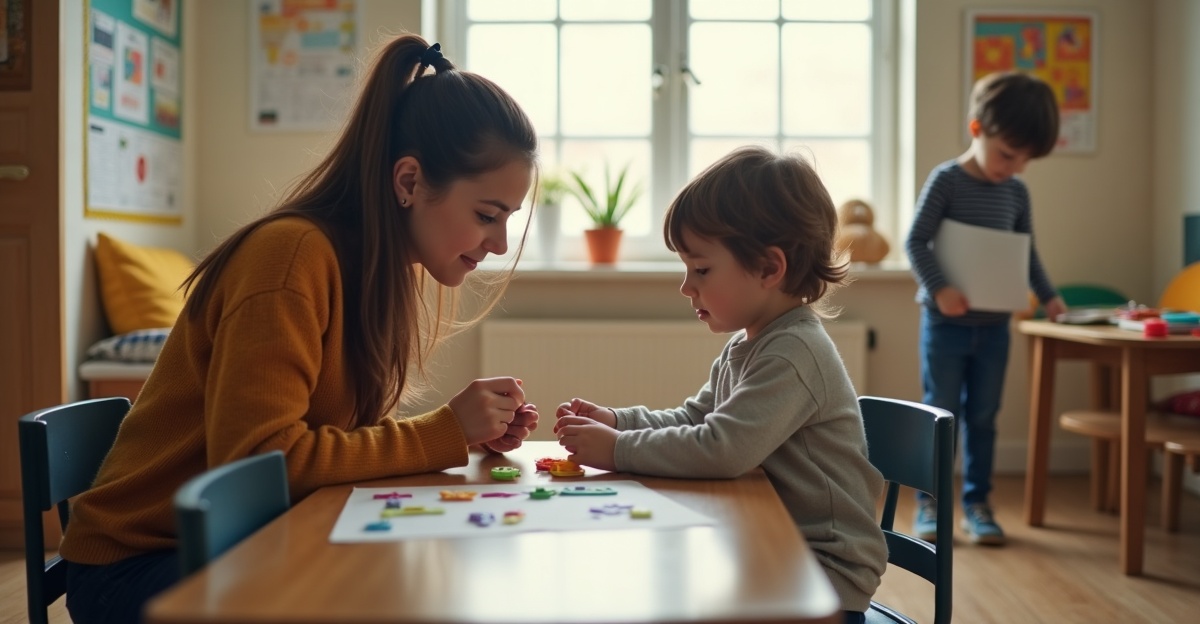
A behavior intervention plan helps children succeed by identifying the needs behind challenging behavior. We look for stressors, unmet needs, and skills that need support. By teaching practical alternatives, creating predictable routines, and setting respectful safety boundaries, we can strengthen a child’s participation at home, school, and in relationships.
Key Takeaways
- Challenging behavior can communicate distress, anxiety, sensory needs, learning difficulties, or unmet emotional needs instead of simple defiance.
- Positive behavior plans support progress and skill development. We may teach children to ask for a break, name feelings, follow a routine, or repair harm after conflict.
- A behavior intervention plan goes beyond a reward chart. It examines triggers, behavior patterns, and the support children need to choose safer alternatives.
- Effective goals stay specific, realistic, age-appropriate, and connected to each child’s strengths and daily circumstances.
- Consistent collaboration between caregivers, educators, and qualified professionals helps us provide coordinated support across settings.
When Behavior Feels Hard, Look for What a Child May Be Communicating
Challenging behavior often communicates distress, an unmet need, or a skill that still needs support. It is not simply defiance or “bad behavior.”
A child may struggle at home, school, or both because of stress, anxiety, trauma, developmental differences, communication difficulties, sensory needs, learning challenges, or unmet emotional needs. Each child’s experience is different. It is important to avoid assuming that every outburst, shutdown, refusal, or conflict has the same cause.
Children do not need to be “fixed.” They need safety, connection, predictable support, and skills that help them succeed. A positive behavior plan helps adults look beneath the behavior while still maintaining clear limits around safety and respect.
Feedback from a teacher, school counselor, doctor, family member, or caregiver can bring up worry, guilt, frustration, or uncertainty. Those feelings are understandable. Learning why children act out at school can help families shift from blame to curiosity and practical support.
Positive child behavior management does not excuse unsafe behavior. It also does not require adults to ignore aggression, property destruction, or serious disruptions. Instead, positive behavior support replaces shame, fear, and harsh punishment with consistent boundaries, emotional regulation skills, understanding, and a plan for what to do next.
How a Positive Behavior Plan Helps Children Succeed at Home, School, and in Relationships
A positive behavior plan is an individualized approach that helps children build skills, communicate needs, regulate emotions, and participate more successfully in daily life. The plan gives adults a shared way to respond when behavior feels difficult.
Meaningful behavior goals focus on progress rather than perfection. A child may gradually learn to name frustration, ask for help, take a break, follow a routine, return to a task, or repair a relationship after conflict. These skills can strengthen classroom participation, family routines, friendships, confidence, learning, and school attendance when behavior has made those areas harder.
Effective positive behavior support centers on teaching. It creates predictability and notices effort. Consequences may still be part of a plan, especially when safety is involved, but consequences alone rarely teach a child what to do differently during a stressful moment.
Improvement is often gradual and nonlinear. Meltdowns, aggression, defiance, school refusal, or withdrawal may not disappear quickly. Small changes matter: a shorter recovery time, one successful transition, a new coping phrase, or a willingness to accept support can show that a child is building capacity.
Consistency helps, yet flexibility matters too. Families and school teams should revise a positive behavior plan as they learn more about a child’s support needs, stressors, strengths, and developmental abilities.
What Is a Behavior Intervention Plan—and What Makes It Different From a Reward Chart?
A behavior intervention plan is a personalized, structured approach for understanding behavior patterns and teaching supportive alternatives. It considers what may be driving the behavior, what skills the child needs, and how adults can make daily expectations more manageable.
A reward chart can be one useful tool. It may encourage a specific skill or help make progress visible. Still, a chart alone is not a full behavior intervention plan. Generic rewards often fall short when a child is overwhelmed, confused, anxious, dysregulated, or unable to meet an expectation without more support.
Many plans use a simple “before, behavior, after” framework. Before the behavior, adults consider possible triggers such as a difficult transition, a demand, noise, hunger, conflict, sensory discomfort, or emotional stress. The behavior itself is described in observable terms, such as “cries and throws materials when asked to begin homework,” rather than labels such as “being difficult.”
Afterward, adults look at what happened next. The child may have escaped a hard task, gained adult attention, expressed distress, or found relief from an overwhelming situation.
A functional behavior assessment is a more formal process that may help identify why a behavior happens and which supports could help. Professionals or school teams may use this process when concerns are persistent or significantly affect learning and daily functioning.
Families can use positive strategies at home without a formal document. A formal school Behavior Intervention Plan may be developed by educators and support teams. School terminology and processes can vary by district and by each student’s needs.
The Building Blocks of Meaningful, Strengths-Based Behavior Goals
Effective behavior goals are specific, realistic, age-appropriate, observable, and connected to a child’s actual circumstances. Strengths-based support also considers what a child already does well, including interests, relationships, preferred activities, communication abilities, and moments when coping comes more easily.
A thoughtful behavior intervention plan identifies the concern in clear terms, looks for patterns and unmet needs, and adjusts routines or environments where appropriate. It also teaches replacement behavior. In everyday language, a replacement behavior is a safer or more effective way for a child to meet the same need.
For example, rather than setting a goal to “stop having meltdowns,” a plan may focus on practicing how to ask for a break with adult support when feeling overwhelmed. Instead of “behave at school,” a more useful goal may be to follow the first step of the morning routine with a visual reminder on most school days.
Adults can reinforce progress through specific encouragement and meaningful support. “We noticed how you asked for space before getting too upset” gives clearer feedback than a general “good job.” Reinforcement should feel respectful and connected to the child’s needs, rather than controlling or public.
Positive behavior plans should not rely on humiliation, public consequences, fear-based discipline, harsh punishment, or approaches focused only on compliance. Children build lasting skills when adults protect safety while helping them understand feelings, practice alternatives, and repair after mistakes.
What Positive Behavior Support Can Look Like in Everyday Life
The same positive behavior strategies will not work for every child. These examples offer general education, not individualized treatment plans. A child’s age, development, stress level, family context, school environment, and support needs all matter.
A child who yells during transitions may benefit from advance warnings, a visual schedule, limited choices, and practice using words to ask for more time. A child who leaves their seat during schoolwork may need shorter work periods, movement breaks, clearer instructions, or academic support. When a child hits during frustration, adults can maintain firm safety boundaries while helping the child label emotions, use calming tools, and ask for space safely.
Play can also help children practice emotional regulation, communication, and flexible problem-solving in ways that feel accessible. Families can learn more about how play therapy works when considering supportive approaches for younger children.
Collaboration can make home and school support feel more consistent. Parents, caregivers, educators, and professionals can share observations about patterns, triggers, strengths, behavior goals, and skills that need practice. These conversations work best when they focus on supportive next steps rather than blame toward the child, family, or school staff.
For families receiving care, supporting a child in therapy can strengthen the connection between therapeutic work and everyday family life. Caregivers also deserve support when stress has built up over time. Our guidance on therapy for parenting stress explores how caregivers can care for their own well-being while supporting a child.
When to Seek Additional Support and When to Act Immediately
Professional support for child behavior may help when concerns persist, escalate, or significantly affect daily life. Additional guidance can be valuable when behavior interferes with school attendance or learning, strains family relationships, leads to social isolation, or occurs alongside anxiety, sadness, trauma symptoms, developmental concerns, or major changes in sleep, appetite, or mood.
A therapist, pediatrician, school counselor, behavioral specialist, or school support team may help families understand a child’s needs and coordinate next steps. This article provides general educational information, not individualized clinical, educational, or medical advice.
Families wondering whether a child needs therapy can review common signs that extra care may be helpful. A child therapist’s role may include helping children build coping, communication, and emotional regulation skills while supporting caregivers.
A behavior intervention plan differs from a reward chart because it explores patterns, needs, triggers, and replacement skills. A reward chart may support one behavior goal, but it cannot replace individualized positive behavior support. Parents, caregivers, educators, school teams, and qualified professionals can all contribute to a plan, depending on where concerns occur and what support is needed.
Positive behavior goals may include asking for a break, using a calming strategy with support, completing one routine step, using words instead of hitting, or returning to an activity after a short reset. A positive behavior plan can support both home and school when adults communicate respectfully and use approaches that fit the child’s needs.
If a child is at immediate risk of harming themselves or someone else, is in severe distress, or cannot be kept safe, seek emergency support right away by calling 911, going to the nearest emergency department, or calling or texting 988 in the United States for crisis support.
If child behavior concerns feel persistent, overwhelming, or difficult to manage alone, compassionate support is available. Aspen Mental Health Services in Idaho Falls can help families explore what may be beneath the behavior and identify supportive next steps for the child and family.