

Self Care Tips for Better Mental Health
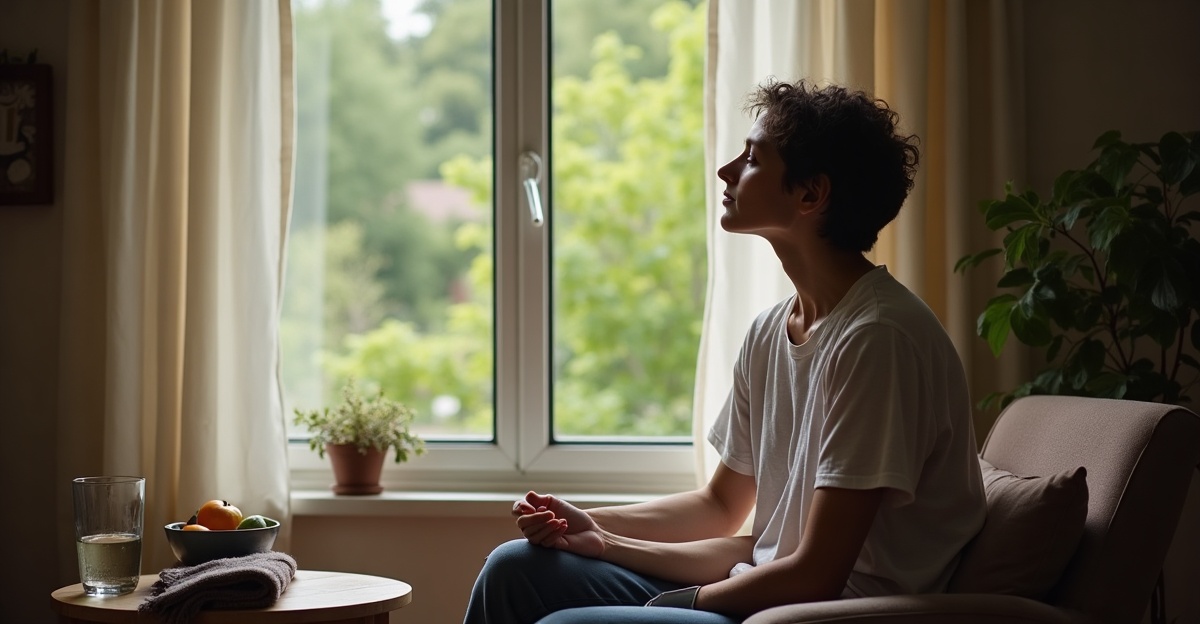
Self-care practices for mental health help us meet basic needs, manage stress, protect our energy, and stay connected through manageable daily habits. We can adapt these practices to our capacity. We may need rest, nourishment, gentle movement, quiet, or support from someone we trust.
Key Takeaways
- Self-care doesn’t treat mental health conditions on its own, but it can support therapy, medical care, medication management, and community connection.
- Small actions can make a meaningful difference when our energy runs low. We can drink water, eat regular meals, rest, breathe slowly, or spend time outside.
- Flexible routines often work better than strict expectations. Stress, caregiving, illness, trauma, and financial pressure can limit our capacity.
- Supportive relationships and clear boundaries can ease isolation, protect our time and energy, and support recovery.
- We may need professional support if distress continues, worsens, interrupts daily life, or feels too hard to manage alone.
Self-Care Can Start With One Small, Supportive Step
Meaningful self-care looks different for every person. Our energy, resources, family responsibilities, health, culture, and current emotional needs all shape what feels possible on a given day.
Self-care means supportive daily practices that help us meet basic needs, regulate stress, stay connected, and navigate emotional strain. It isn’t superficial, selfish, expensive, appearance-focused, or another standard we must meet to prove our worth.
These self-care tips for mental health can support overall well-being, but they aren’t a cure for anxiety, depression, trauma, or other mental health concerns. Self-care can work alongside therapy, medical care, medication management, and community support. Persistent, severe, or worsening symptoms deserve professional evaluation and care.
Many barriers can make even basic routines feel hard. Parenting, caregiving, shift work, chronic pain, illness, financial pressure, trauma, depression, low motivation, and emotional exhaustion all affect capacity. A small step still counts. We might ask ourselves, “What support would feel realistic today?”
Everyday Practices That Support Your Mental Health
Daily self-care tips for mental health work best when they respond to what we need rather than follow a rigid routine. Some days call for food, water, medication, or sleep. Other days call for quiet, movement, connection, or permission to stop pushing.
Support the Needs That Feel Most Present
We can choose one area that feels manageable:
- Support basic needs by drinking water, eating regular meals when possible, taking medication as prescribed, and building a realistic sleep routine. Rest doesn’t need to be earned.
- Use gentle movement such as stretching, a brief walk, time outdoors, or any safe, accessible movement that feels right for our body.
- Check in emotionally by naming a feeling, writing a few lines in a journal, or noticing where stress shows up physically. Asking, “What do I need right now?” can create a useful pause.
- Reduce overstimulation with a screen break, fewer notifications, quieter moments, or limits around distressing media.
- Create comfort and regulation through slow breathing, music, sensory grounding, hobbies, fresh air, or a calming transition after work or school.
- Practice self-compassion by replacing harsh inner criticism with words we might offer someone we care about.
Small routines can build steadiness over time. Our guide to daily emotional health habits offers additional ideas for creating supportive rhythms without adding pressure.
Respond to Stress With Care
Stress often affects sleep, concentration, patience, appetite, and physical comfort. Instead of expecting ourselves to stay positive, we can acknowledge that something is difficult and choose one supportive response. A few minutes of slow breathing, stepping outside, or pausing before reacting can help our nervous system settle.
For more practical ways to reduce day-to-day pressure, explore managing daily stress. The goal isn’t perfect calm. It’s creating moments that help us feel safer and more grounded.
When We Have Very Little Time, Energy, or Motivation
On emotionally drained days, self-care may mean doing less instead of adding another task. Low-energy self-care respects our actual capacity. It doesn’t require a purchase, a lengthy routine, or a reward for being productive.
When we have two minutes, we might drink a glass of water, take several slow breaths, stand outside, eat something simple, send one text to someone safe, or postpone one nonurgent task. Each choice can reduce pressure in the moment.
On lower-energy days, rest may be the most supportive option. We can lower expectations, choose the next smallest task, listen to calming music, sit near a window, or name five things we can see and feel around us. These realistic self-care practices help us respond with care rather than judgment.
Self-care should adapt to our responsibilities, physical health, cultural values, access to resources, and current emotional capacity. Tips for self-care and maintaining mental health should feel flexible enough to support real life. For people who feel anxious, anxiety management strategies can offer gentle, non-medication-based coping options that may complement professional care.
Connection, Boundaries, and Supportive Relationships
Self-care and connection often belong together. Supportive relationships can remind us that we don’t have to carry every hard feeling alone. Connection can be as simple as texting a trusted friend, sitting quietly with family, asking someone to check in, joining a support group, or sharing honestly with a person who feels safe.
Healthy boundaries for mental health also protect our time and energy. We may say no when possible, delay nonurgent requests, create separation between work and home, protect quiet time, or ask for practical help. Boundaries don’t mean shutting people out. They create room for rest, healing, and relationships that can last.
Families and caregivers can support a loved one by listening without rushing to solve the problem. Validation matters. Phrases such as “That sounds really hard” or “We’re here with you” can help someone feel less alone. Offering choices instead of demands, modeling rest, and respecting boundaries can also build trust.
Supporting a teen’s mental health at home may include regular check-ins, calm conversations, and help connecting with appropriate care. Caregivers shouldn’t be expected to manage serious concerns alone. If a child, teen, or partner’s struggles persist or interfere with daily life, a pediatrician, school counselor, therapist, or other qualified provider can help.
Mindful moments can also strengthen connection with ourselves. Learn more about mindfulness for anxiety and how present-moment awareness can support emotional regulation.
When Self-Care Is Not Enough
Self-care can be valuable, but it has limits. Additional support may help when difficult feelings persist, worsen, or interfere with sleep, school, work, relationships, parenting, or daily tasks. It may also be time to talk with someone when coping tools no longer help, isolation grows, or we feel hopeless, overwhelmed, or unable to manage what we’re carrying.
The question, “Can self-care help with anxiety or depression?” has a balanced answer: it can support coping and daily stability, but it may not be enough on its own. Anxiety, depression, trauma-related stress, burnout, and family strain can benefit from professional mental health support.
If we find ourselves asking, “How do I know if I should consider therapy?” we can view that question as meaningful information. Therapy offers a private, supportive space to explore patterns, learn coping skills, process painful experiences, and strengthen self-understanding. Reaching out doesn’t mean we’ve failed at handling things independently. It can be a proactive act of care.
Our resource on therapy and coping skills explains how counseling can support healthier responses during difficult seasons. We can also explore building confidence and self-worth when self-criticism or doubt makes everyday care harder.
A Supportive Next Step in Idaho Falls
If someone may harm themselves or someone else, is experiencing a mental health crisis, or cannot stay safe, call or text 988 in the United States. If there is immediate danger, call 911 or seek local emergency support.
For those looking for mental health support in Idaho Falls and surrounding areas, Aspen Mental Health Services can offer a supportive space to explore anxiety, depression, trauma, burnout, family stress, and other concerns. We don’t have to carry it alone.
Frequently Asked Questions
What are simple self-care tips for mental health?
Simple options include drinking water, eating something nourishing, resting, taking a brief walk, stepping away from screens, breathing slowly, and contacting someone safe. The best choice is often the smallest one that feels possible.
What should we do when we don’t have the energy for self-care?
Lower the expectation. Rest, postpone one nonurgent task, sit near a window, eat something simple, or take one slow breath. Low capacity deserves compassion, not criticism.
Can self-care help with anxiety or depression?
Self-care can support emotional regulation, comfort, and daily functioning. It doesn’t replace individualized treatment when symptoms are persistent, severe, or disruptive.
How do we know if we should consider therapy?
Consider support when distress lasts, worsens, affects daily life, or feels too heavy to manage alone. Therapy can also help before concerns reach a crisis point.
How can parents support a teen’s mental health at home?
Listen, validate emotions, keep communication open, offer choices, model healthy rest and boundaries, and connect teens with qualified support when concerns continue.
Author bio: Aspen Mental Health Services provides compassionate counseling support for individuals and families in Idaho Falls and nearby communities.
Medically reviewed: August 13, 2026. Clinical review: Qualified mental health professional at Aspen Mental Health Services.