

How Does Mindfulness Help with Anxiety?

Mindfulness for anxiety relief offers lasting benefits that go beyond a quick sense of calm. It reshapes how we experience our thoughts, emotions, and physical sensations during anxious times. With consistent and gentle practice, we can retrain the brain’s stress patterns and build a more grounded sense of internal security.
Key Takeaways
- Mindfulness eases anxiety by focusing the mind on the present without adding judgment.
- Consistent practice brings brain changes that ease fear and strengthen centers linked to clarity and self-regulation.
- Simple methods like mindful breathing, tuning into body sensations, and noticing surroundings can help during stressful moments.
- Mindfulness shifts how we approach anxious thoughts, allowing space rather than forcing them away.
- While mindfulness is highly effective, some of us may need added support. Working with a therapist can deepen the process and offer essential safety.
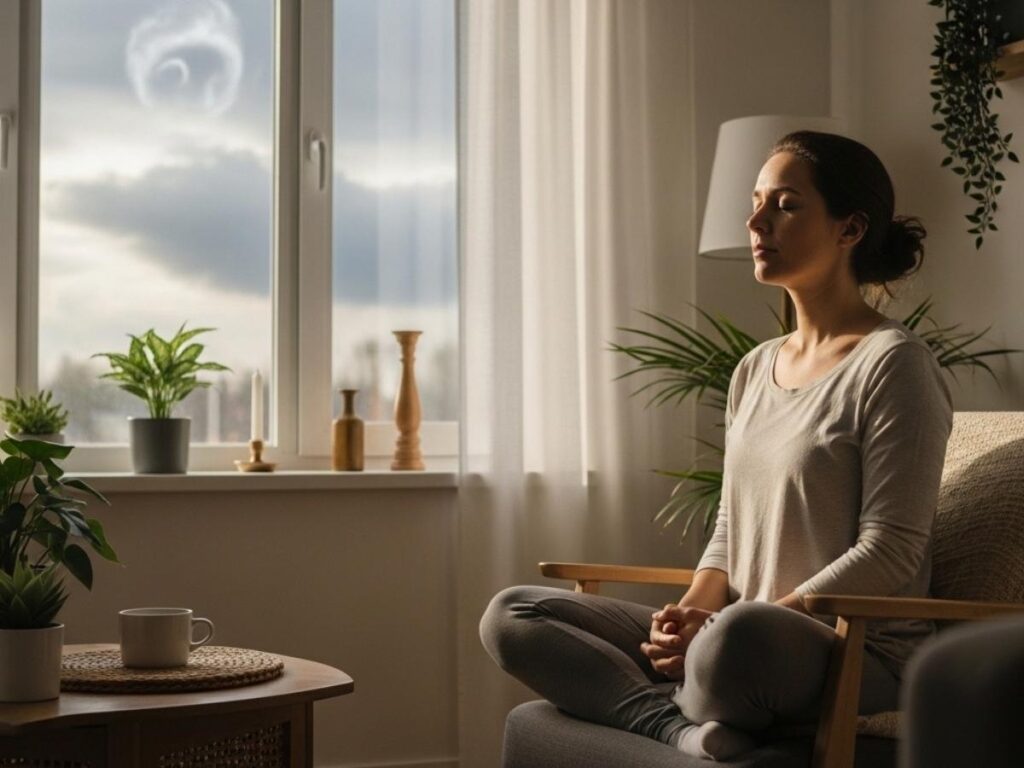
How Mindfulness Eases the Overwhelm of Anxiety
Anxiety can feel like you’re stuck inside a fast-moving storm. Thoughts race ahead, rest is hard to find, and worries feel endless and uncontrollable. Whether it shows up as a tense jaw, restless legs, sleepless nights, or a mind that won’t quiet down, anxiety often steals peace from our everyday lives.
Practicing mindfulness for anxiety relief offers us an anchor. It’s not about forcing calm or pretending everything is okay. It’s about learning to notice the present moment with gentleness—even when that moment is uncomfortable. Over time, this practice helps us respond rather than react, and to feel more grounded even in chaos.
Though mindfulness isn’t a cure-all, it is backed by meaningful research. A 2018 meta-analysis published in Psychiatry Research found that mindfulness-based interventions significantly lowered anxiety symptoms across many types of people. That includes children, adults, and those managing additional mental health challenges.
It’s important to clarify: mindfulness doesn’t mean stopping thoughts or “clearing your mind.” Instead, it teaches us to relate to thoughts and emotions with openness and curiosity, without trying to fix or fight them. This shift alone can bring tremendous relief.
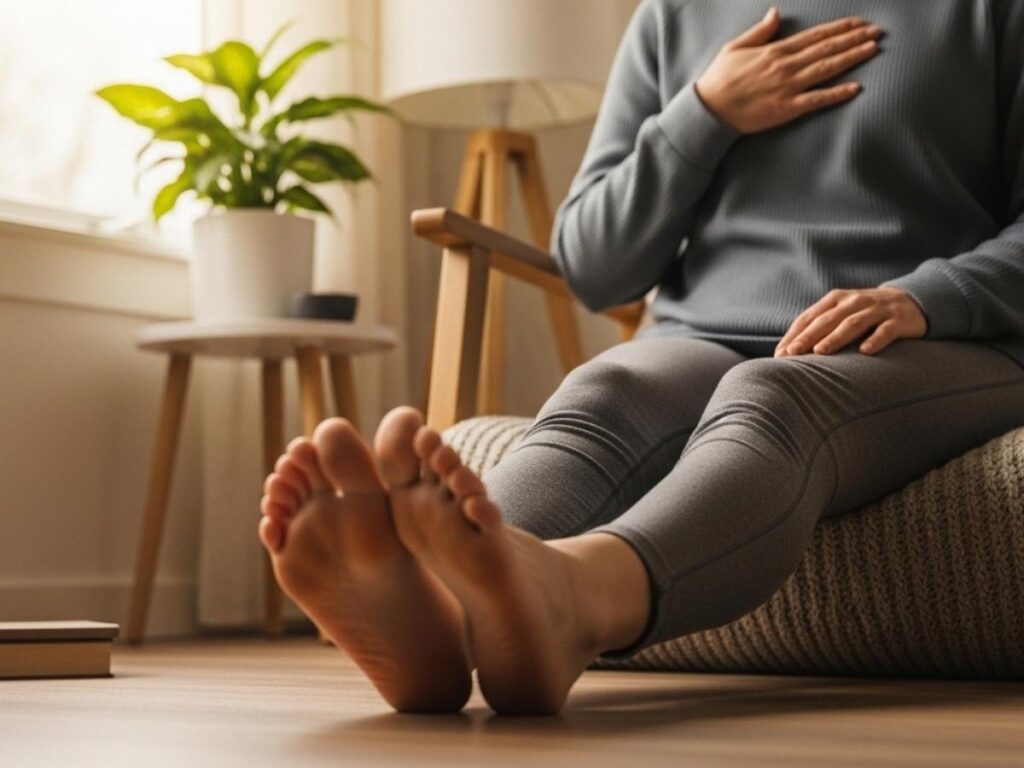
What Exactly Is Mindfulness—and What It Isn’t
Mindfulness means paying attention, on purpose, to the present moment—with kindness and without judgment. At its core, it invites us to simply be here, right now, in whatever way we can. Whether we’re breathing, walking, or listening to someone we care about, mindfulness gives us a chance to slow down and notice what’s real in that moment.
Some people think mindfulness is only sitting cross-legged in silence or reaching a state of calm. But true mindfulness isn’t about being calm all the time. It’s about noticing what’s happening—inside and out—and choosing how we want to respond. That could mean acknowledging anxious thoughts without letting them drive every choice.
We also hear from people who feel mindfulness is too difficult, especially if their minds move quickly or their past trauma makes stillness feel unsafe. That reaction makes sense. Mindfulness can be challenging—especially early on. And that’s okay. You get to move at your own pace.
A few simple mindfulness concepts we often use with folks experiencing anxiety include:
Gently Grounding Practices
These approaches help reconnect us to our body and surroundings:
- Breath awareness: Noticing the breath without changing it, as a way to come home to the present.
- Grounding: Feeling your feet press into the floor, or your back supported by a chair, helps bring steadiness.
- Body scanning: Bringing attention to one part of the body at a time, observing sensations and tension with curiosity.
These practices offer steady stepping stones on the path of anxiety relief without medication. They can begin to reshape how we see our thoughts and treat ourselves in moments of stress.
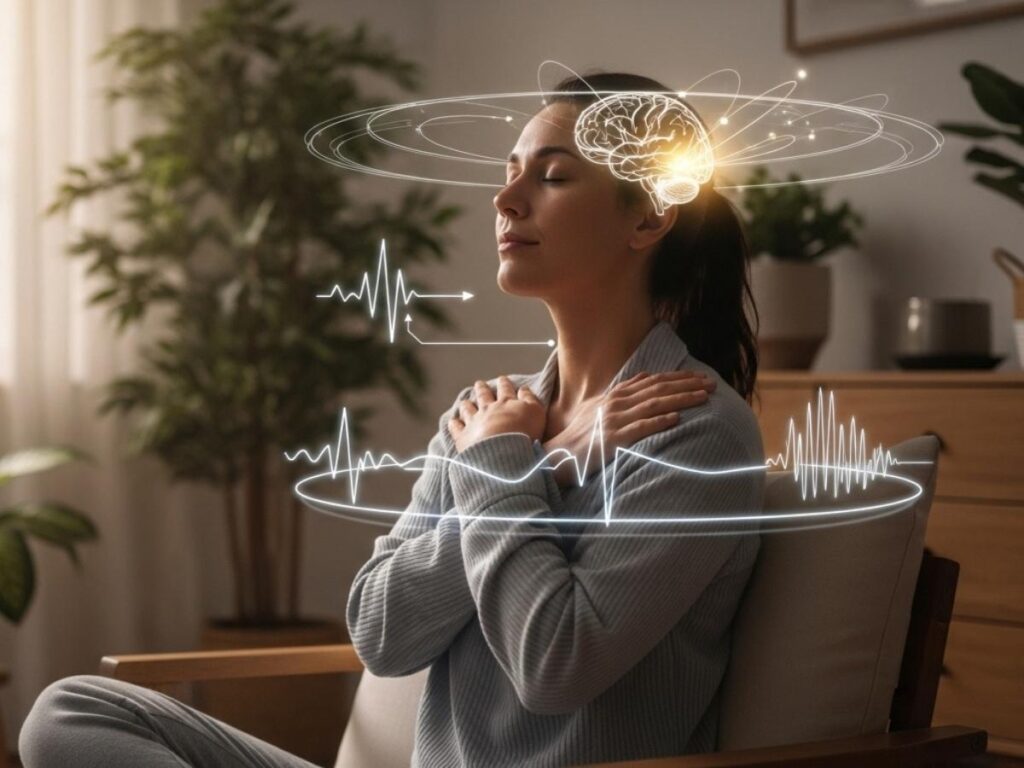
How Mindfulness Changes the Brain and Body’s Stress Response
Anxiety is more than a mental experience—it lives in the body, too. When we’re anxious, our brains often switch into fight, flight, or freeze mode. The amygdala, the brain’s primary fear-processing center, becomes overactive. Our heart races. Breathing becomes shallow. Muscles tense, and it feels harder to think clearly.
Mindfulness offers us a way to calm that stress loop.
When we practice mindfulness regularly, the prefrontal cortex—responsible for decision-making and self-awareness—becomes more active. At the same time, the amygdala becomes less reactive. Over time, this shift helps us feel more in control.
Scientific studies show that regular mindfulness practice can reduce levels of cortisol, the body’s primary stress hormone, and improve emotional regulation. This leads to steadier moods and more resilience when challenges arise.
Even when our brain feels “stuck” in anxious spirals, mindfulness gives us the tools to gently pause, reconnect with our breath or body, and choose to soften around our thoughts rather than wrestle with them. These are the quiet changes that build real strength.

Simple Mindful Practices You Can Try—Even on Hard Days
Mindfulness doesn’t require hours of silence or a perfect setting. The beauty lies in its flexibility—even on the hard days. Whether you’re a parent overwhelmed by worry or someone lying awake rethinking every conversation, these small acts can make a difference.
Approachable Mindful Techniques for Anxiety
Here are a few gentle ways to start practicing mindfulness for anxiety relief:
- 4-7-8 Breathing: Inhale for 4 seconds, hold for 7, exhale for 8. This pattern helps settle the nervous system.
- Mindful walking: Focus on the rhythm of your steps. Feel the ground beneath you with each step.
- Five senses grounding: Name one thing you can see, feel, hear, smell, and taste. This shifts focus from anxious thoughts to the moment.
- Thought cloud observation: Imagine your thoughts as clouds passing across a sky—acknowledge them without following every one.
These practices don’t need to be done perfectly. What matters most is consistency and treating yourself with care. Over time, they become part of a gentle toolkit of anxiety management strategies.
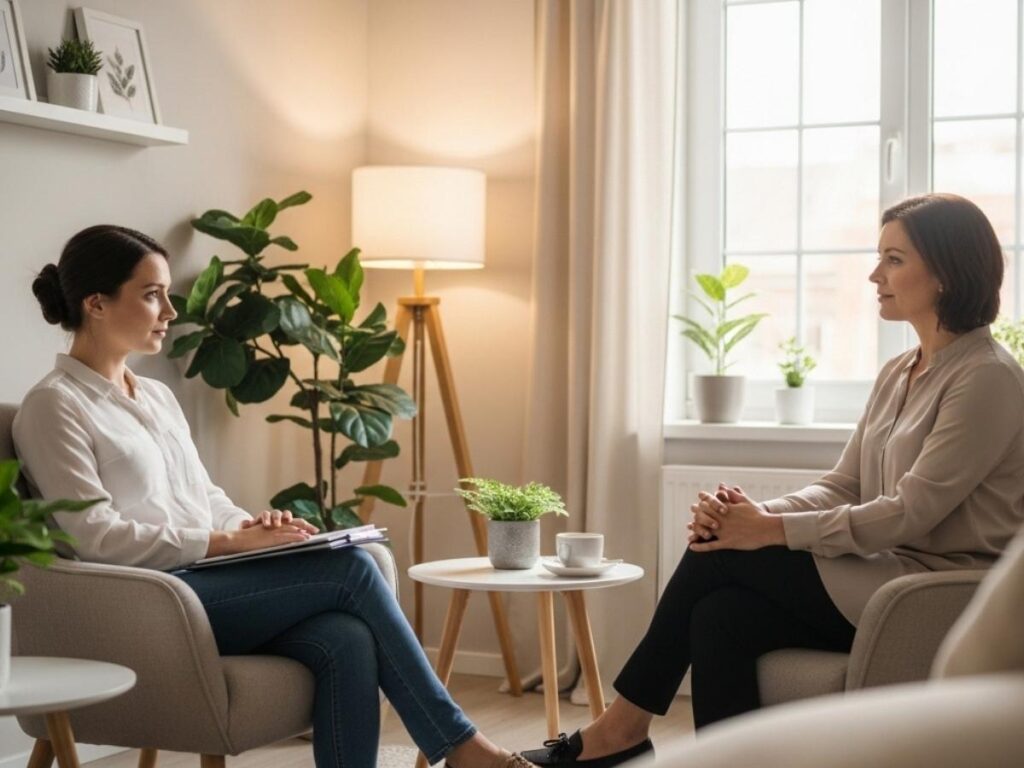
When Mindfulness Isn’t Enough—and That’s Okay
Mindfulness is a valuable support, but it’s not always the only piece. For those experiencing trauma flashbacks, intense anxiety, or overwhelming emotions, mindfulness might feel inaccessible or even triggering without proper guidance.
That doesn’t mean you’re doing something wrong. It just means you might need more support—and that’s completely valid. Many people find that combining mindfulness with therapy brings deeper healing and makes those moments of peace easier to access and maintain.
At Aspen Mental Health Services, we offer compassionate care to help you or a loved one blend mindfulness and therapy in ways that honor your experiences. Whether you’re exploring anxiety therapy for adults, counseling for children and teens, or behavioral support for more intensive challenges, we walk beside you—never rushing, never judging.
If you’re ready to explore what healing might look like for you or someone you care about, we’re here to support that journey—without pressure, only care.

Building a Gentle Path Forward—with Help if You Need It
Healing takes time. Learning how mindfulness helps with anxiety isn’t about checking off boxes or doing everything “right.” It’s about building new habits slowly, practicing compassion, and giving yourself room to grow.
Through mindfulness, we can begin feeling safer in our own minds, more rooted in our bodies, and less controlled by spiraling thoughts. These shifts matter. They open the door to more connection, more rest, and more moments of peace.
If you’re looking to explore anxiety relief without medication or simply want to feel more in control of your emotional experiences, we invite you to learn more about our support services at Aspen Mental Health. Whether you’re interested in therapy for yourself or a young person, please know that help is here.
To take the next gentle step—or just ask a question—you can contact us anytime. We’d be honored to walk alongside you.
Frequently Asked Questions
Mindfulness can begin reducing anxiety symptoms within a few weeks of consistent practice. Many people notice small shifts in awareness and calm after 2–4 weeks, especially when practicing daily for 10–20 minutes. Long-term benefits, such as improved emotional regulation and reduced reactivity, typically develop over several months as the brain adapts to new stress-response patterns.
Mindfulness may help lessen the intensity of a panic attack, but it may not stop it instantly. Grounding techniques like slow breathing or noticing physical sensations can steady the nervous system and prevent escalation. The goal is not to eliminate panic immediately, but to respond with awareness and reduce fear of the symptoms themselves.
Mindfulness for anxiety relief can be effective, but it is not automatically better than medication. For mild to moderate anxiety, mindfulness practices alone may significantly reduce symptoms. For more severe anxiety disorders, combining mindfulness with therapy or prescribed medication often provides stronger and more sustainable results, as outlined in national treatment guidelines for anxiety disorders.
A common mistake is trying to “empty the mind” or force relaxation. Mindfulness is about observing thoughts without judgment, not eliminating them. Another mistake is practicing only during crises. Consistency matters more than perfection, and short daily sessions are more effective than occasional long sessions.
Yes, mindfulness can support both social anxiety and generalized anxiety disorder by increasing present-moment awareness. It helps individuals notice anxious thoughts without automatically believing or reacting to them. Over time, this reduces rumination, improves emotional regulation, and builds resilience in triggering social or everyday situations.