

How to Manage Anxiety Without Medication
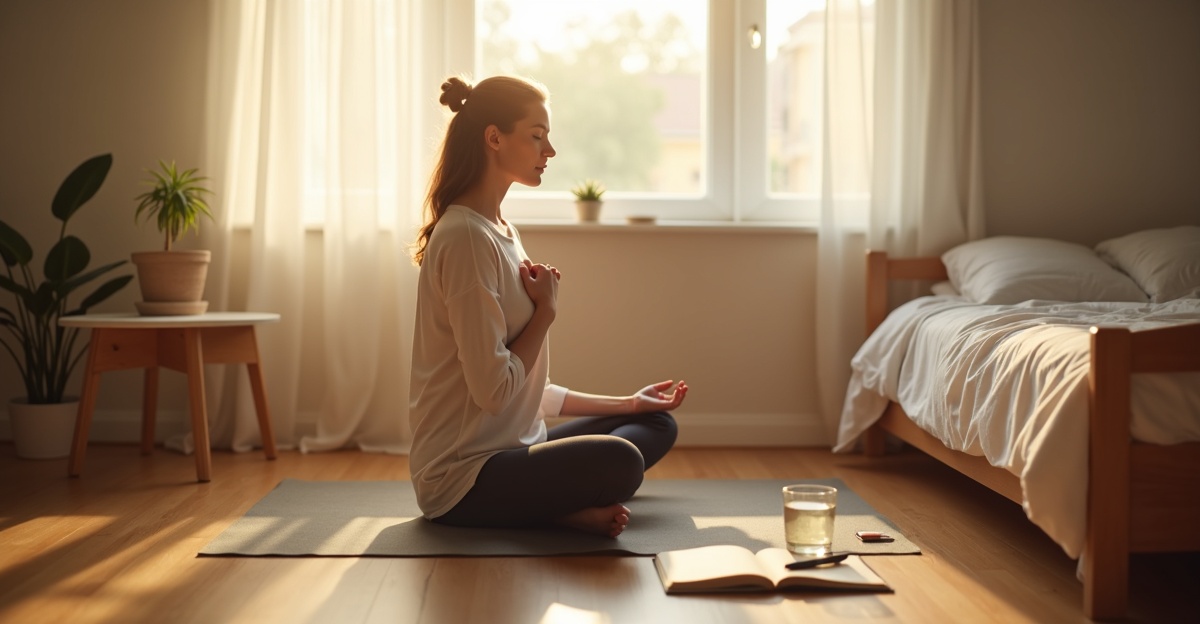
Managing anxiety without meds requires that we understand how the nervous system reacts to perceived danger and use practical tools to calm both mind and body. We combine grounding and breathing practices, evidence-based cognitive strategies, supportive lifestyle shifts, and therapy options to create steady, personalized ways to manage anxiety without relying only on medication.
Key Takeaways
- Anxiety acts as the body’s alarm system, and symptoms like racing thoughts, muscle tension, and sleep disruption show that our nervous system is trying to protect us.
- Grounding exercises, box breathing, and extended exhales regulate the nervous system and reduce physical intensity during anxious moments.
- Cognitive Behavioral Therapy (CBT) strategies, such as spotting distortions and reframing thoughts, help us build realistic and balanced thinking patterns.
- Consistent lifestyle foundations—including movement, sleep routines, reduced caffeine, sensory tools, and supportive relationships—lower baseline anxiety over time.
- Professional support matters when anxiety disrupts daily life, feels intense or persistent, or creates safety concerns, and therapy offers structured, personalized care without medication.
You’re Not Weak for Wanting Another Way
Anxiety touches many lives. Adults feel it in the quiet pressure to keep everything together. Teens feel it in school hallways and late-night thoughts. Parents feel it while trying to hold steady for everyone else. Anxiety can feel overwhelming, and it can also feel lonely.
Many people think about managing anxiety without meds. Some want to try natural approaches first. Others use medication as part of a broader care plan. Both paths are valid. The decision is personal, and it deserves care and respect.
At its core, anxiety is the body’s alarm system. The brain senses danger and activates the fight-or-flight stress response as described by the National Institute of Mental Health. Heart rate speeds up. Muscles tense. Thoughts scan for threat. Sometimes the danger is real. Other times, the alarm turns on even when we’re physically safe.
Common anxiety symptoms in adults and teens include racing thoughts, a tight chest, irritability, difficulty sleeping, muscle tension, avoidance, and panic attacks. These experiences can be intense, but they are signs of a nervous system trying to protect us.
Natural anxiety relief strategies can support healing. They may not erase anxiety completely, but they can reduce its intensity and frequency. If this feels familiar, we are not alone. We can explore supportive next steps together.
Grounding and Breathing Techniques That Calm the Nervous System
Grounding techniques for anxiety give the body a direct message of safety. They help shift attention away from spiraling thoughts and back into the present moment.
One simple tool is the 5-4-3-2-1 exercise:
- Name 5 things we see.
- Notice 4 things we feel.
- Identify 3 things we hear.
- Acknowledge 2 things we smell.
- Focus on 1 thing we taste.
This sensory reset interrupts the fear cycle and brings the brain back to what is real and immediate.
Breathing exercises for anxiety are equally powerful. Box breathing involves inhaling for four counts, holding for four, exhaling for four, and holding again for four. Extended exhale breathing shifts the rhythm: inhale for four, exhale for six to eight. Longer exhales stimulate the parasympathetic nervous system, often referred to as the body’s “rest and digest” state in Harvard Health Publishing. This supports nervous system regulation and gently lowers physical tension.
Physical grounding also helps. Placing both feet flat on the floor and pressing down firmly can reinforce stability. The body feels supported, and the brain receives that cue.
Consistency matters more than perfection. Practicing a few minutes daily builds resilience over time. These anxiety coping strategies are supportive ways to reduce anxiety without medication. They are not quick fixes, but they do strengthen our internal steadiness.
Reshaping Anxious Thoughts with Evidence-Based Strategies
Anxiety often lives in thoughts about what might happen. CBT for anxiety, or Cognitive Behavioral Therapy, helps us notice and gently shift those patterns. It is one of the most researched non-medication treatments for anxiety, according to the National Institute of Mental Health.
A simple reframing process can begin at home:
- Notice the thought: “Something bad is going to happen.”
- Name the distortion. Is it catastrophizing? Mind-reading? Black-and-white thinking?
- Create a balanced alternative: “I feel anxious, but I don’t have evidence that this will happen.”
This is not about forced positivity. It is about realism. Writing thoughts down can create space between us and the anxiety. On paper, fears often look different than they do in our heads.
For those who want deeper support in how to manage anxiety naturally, therapy can strengthen these skills. Understanding the difference between CBT and DBT can also clarify which approach may feel like a better fit. With professional guidance, these anxiety coping strategies become more personalized and effective.
For those looking for therapy for anxiety Idaho Falls, structured support can make these tools easier to practice and sustain.
Body-Based and Lifestyle Foundations That Reduce Anxiety Over Time
Our bodies carry anxiety. Supporting the body supports emotional steadiness.
Regular movement is one of the most reliable ways to reduce baseline anxiety, as supported by the CDC’s research on physical activity and mental health. Walking, stretching, yoga, or strength training all encourage nervous system regulation. The goal is consistency, not intensity.
Sensory tools can bring quick natural anxiety relief. Cold water on the wrists or face can reset the stress response. Weighted blankets may calm restless bodies. Soft music or time in nature can lower tension. Small sensory shifts create meaningful changes.
Sleep needs attention as well. Going to bed and waking at consistent times helps regulate mood. Limiting screens before bed and creating a wind-down routine prepares the brain for rest. Sleep disruption can both contribute to and worsen anxiety, as noted in research from the National Institutes of Health on sleep and mental health, so gentle structure matters.
Caffeine and alcohol also play a role. High caffeine intake can increase heart rate and mimic anxiety symptoms. Alcohol may temporarily numb stress but often disrupts sleep and mood later.
Connection protects mental health. Predictable routines and supportive relationships reduce stress hormones and increase a sense of safety. A quick check-in with someone trusted can ground us faster than we expect.
Managing anxiety without meds often means prioritizing a few manageable habits instead of changing everything at once. Small, steady shifts are sustainable ways to reduce anxiety without medication.
Therapy Options That Support Healing Without Medication
Therapy for anxiety does not automatically mean medication. Many people engage in counseling specifically to focus on managing anxiety without meds.
CBT for anxiety remains a cornerstone treatment. Exposure-based therapy gradually and safely helps people face feared situations so avoidance loses its grip. Mindfulness-based approaches teach present-moment awareness and acceptance skills. We explore techniques like those described in mindfulness for anxiety to support calmer responses to stress.
Family or teen-focused therapy can be especially helpful when addressing anxiety symptoms in adults and teens. Parents and caregivers learn how to respond in ways that reduce reinforcement of fear while increasing confidence.
Our work is informed by years of clinical experience supporting adults, teens, couples, and families. We understand that anxiety often connects to deeper experiences, life transitions, or past stress. In therapy, we build personalized coping tools, increase accountability, and explore root causes at a pace that feels safe.
For those looking for therapy for anxiety Idaho Falls and surrounding areas, our adult therapy services and child and adolescent services provide compassionate, evidence-based care. We can help us move through anxiety in a way that respects our values and preferences.
When Natural Strategies Aren’t Enough
Self-guided tools are helpful, and sometimes anxiety needs additional care. Understanding when to seek help for anxiety is an act of strength.
Professional support is important if panic attacks feel frequent or intense. Ongoing avoidance that affects work, school, or relationships is another sign. Sleep disruption lasting weeks or months deserves attention. Symptoms that persist for several months without relief also signal the need for added support.
Immediate help is necessary if there are safety concerns, hopelessness, or thoughts of self-harm. Crisis lines, emergency services, or urgent medical care are essential in those moments. Anxiety coping tools cannot replace emergency care.
Medication can be helpful for some people. It is a personal decision made with medical guidance. For many, medication works best alongside therapy and lifestyle support.
For those considering therapy for anxiety Idaho Falls, we invite you to schedule a consultation. If this feels like where we are, we’re here to support us. We don’t have to face managing anxiety without meds or exploring other options alone.
Frequently Asked Questions
The best natural approaches for managing anxiety without meds include breathing exercises, grounding techniques, cognitive restructuring, regular movement, and consistent sleep routines. These strategies calm the nervous system and reduce anxious thinking patterns. When practiced consistently, they lower overall stress levels and improve emotional regulation without relying solely on medication.
Some techniques, like extended exhale breathing or grounding exercises, can reduce physical symptoms within minutes. However, long-term improvement typically takes several weeks of consistent practice. Lifestyle changes and cognitive strategies build resilience gradually, helping decrease the frequency and intensity of anxiety over time.
Yes, therapy can effectively treat anxiety without medication. Evidence-based approaches such as Cognitive Behavioral Therapy (CBT) and exposure therapy help change unhelpful thought patterns and avoidance behaviors. Therapy provides structured tools, accountability, and personalized strategies that support lasting anxiety management.
Stopping anxiety medication should always be done under medical supervision. Some medications require gradual tapering to prevent withdrawal effects or symptom rebound. A healthcare provider can help create a safe plan while incorporating non-medication strategies like therapy, lifestyle adjustments, and stress regulation techniques.
Habits that reduce long-term anxiety include regular physical activity, consistent sleep schedules, limiting caffeine and alcohol, and maintaining supportive relationships. These foundations regulate the nervous system and lower baseline stress levels. Small, sustainable changes practiced daily often lead to steady improvement in anxiety symptoms.