

Why Is My Child Acting Out at School?
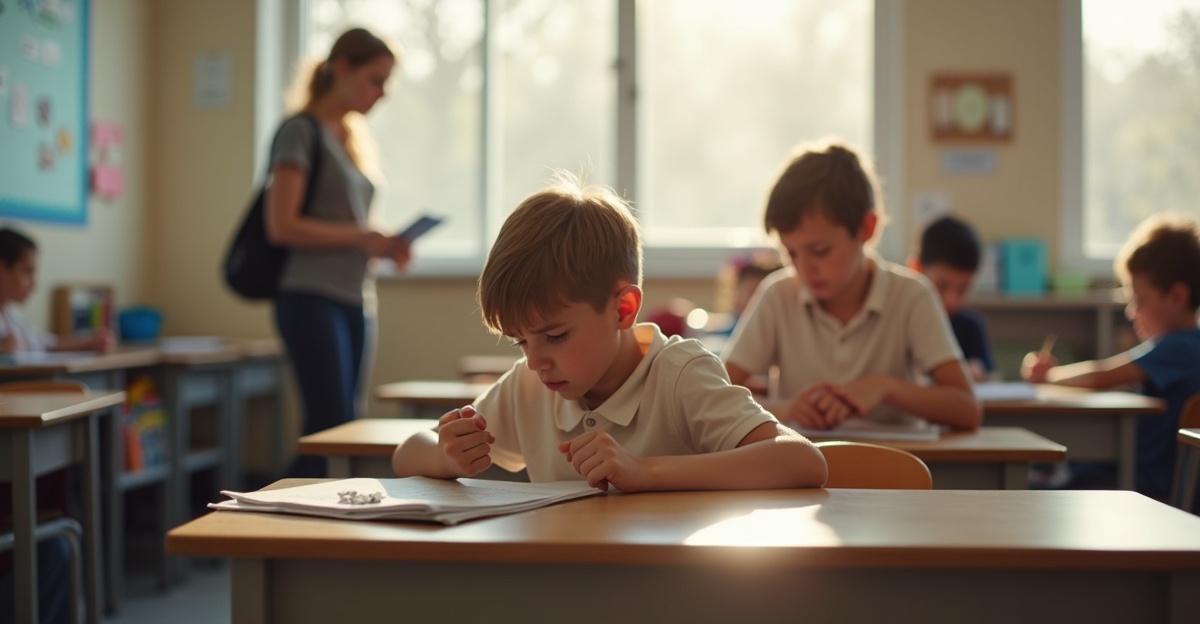
When child behavioral issues in school surface through repeated notes home or classroom disruptions, we often find ourselves asking why a child is acting out at school. Acting out in class usually reflects underlying stressors such as anxiety, learning challenges, social tension, family changes, or sensory overload rather than intentional defiance.
Key Takeaways
- Child acting out in class is often a form of communication that signals overwhelm, unmet needs, or difficulty regulating emotions.
- Common causes of child behavioral issues in school include anxiety, learning differences, attention struggles, peer conflict, family transitions, and sensory sensitivities.
- Short-term behavior changes may improve with the right support, but persistent, intense, or escalating patterns often signal a need for additional help.
- Emotion coaching, steady routines, after-school decompression time, and collaborative communication with teachers reduce behavior problems at school.
- When concerns persist or disrupt learning, friendships, or family life, child therapy and structured supports offer meaningful, individualized guidance.
When Behavior at School Feels Bigger Than “Just a Phase”
Getting another email from a teacher about behavior problems at school can feel heavy. Daily notes about child behavioral issues in school often stir up worry, frustration, or even shame.
Many of us quietly wonder, why is my child acting out at school? We may ask ourselves if this is normal or if we did something wrong. Those thoughts are common, and they come from caring deeply.
Child acting out in class is often a form of communication used by children to express unmet needs or emotional distress. It’s rarely about being “bad” or deliberately defiant. In many cases, behavior problems at school reflect stress, overwhelm, or unmet needs rather than intentional misbehavior.
We can pause before jumping to conclusions. Instead of rushing to label or diagnose, we can explore what might be driving the behavior and look for practical next steps. As we do, we also keep an eye on signs my child needs therapy, knowing that support is available if concerns grow.
Acting Out as Communication: What Your Child May Be Trying to Tell You
Emotional behavior in children is a signal. When feelings are big and words are limited, behavior often steps in to speak.
Developing brains are still learning how to regulate emotions. Skills like impulse control, frustration tolerance, and flexible thinking don’t fully mature for years. When a child acting out in class disrupts a lesson or refuses to follow directions, it may reflect distress, confusion, fear, or embarrassment rather than deliberate opposition.
We often see this play out in everyday ways. A child melts down after school over something small because they held it together all day. Another refuses to do homework and bursts into tears. A student talks back in class after struggling silently with the material.
It’s easy for others to label this as “attention-seeking.” In reality, attention is a valid need. Connection, reassurance, and understanding are part of emotional safety. When we shift from “How do we stop this?” to “What is this behavior telling us?” we open the door to real healing.
Behavior problems at school are often a child’s attempt to cope with something that feels too big to manage alone.
Common Underlying Causes of Child Behavioral Issues in School
Child behavioral issues in school rarely have a single cause. Several factors can overlap, and each child’s situation is unique.
Anxiety in children at school is one common driver. Separation anxiety may show up as clinginess or school refusal. Social anxiety can look like irritability, avoidance, or shutting down. Some children complain of stomachaches or headaches, which pediatric experts note can be common physical symptoms of anxiety in children. Others become perfectionistic and then explode when they can’t meet their own high standards.
Learning difficulties and behavior are closely connected, as research shows that academic frustration can contribute to disruptive or avoidant classroom behavior. When reading, writing, or processing information feels frustrating, a child may act out to redirect attention. Academic struggle can quickly turn into classroom disruption, refusal, or disengagement. In some cases, undiagnosed learning differences contribute to emotional behavior in children that appears oppositional on the surface.
Attention challenges may also play a role. Difficulty sustaining focus, high energy, impulsivity, or frequent distraction can contribute to child acting out in class. That doesn’t automatically mean a diagnosis, but it can signal that a child needs additional structure and support.
Social struggles matter deeply. Conflict with peers, exclusion from friend groups, or bullying can easily spill over into behavior problems at school. A child who feels unsafe socially may become guarded, reactive, or withdrawn.
Family transitions can also affect classroom behavior. Divorce, a move, illness in the family, a new sibling, or grief can heighten stress. Even positive changes can feel overwhelming. Children don’t always verbalize those emotions. Instead, we may see increased emotional behavior in children at school.
Sensory sensitivities are another overlooked factor. Bright lights, loud classrooms, clothing textures, or crowded hallways can overwhelm a sensitive nervous system. What looks like defiance may actually be sensory overload.
If we feel unsure about what’s underneath the behavior, we may find it helpful to review common developmental and emotional signs in guides like how can I tell if my child needs therapy or is my child on the autism spectrum. These resources can clarify what may warrant a closer look. Still, any true evaluation or diagnosis requires a careful, individualized assessment by a qualified professional.
Is This Temporary—or Does My Child Need More Support?
Some behavior problems at school are part of typical development. Children adjust to new teachers, new classrooms, and changing expectations. Short-term bumps are common.
Temporary struggles often share a few patterns:
- The behavior is tied to a clear change, such as a recent move or classroom transition.
- The intensity is mild.
- With reassurance and consistent routines, things slowly improve over time.
At other times, it’s harder to brush off. Paying attention to red flags helps us decide when to seek counseling for my child. The following signs may suggest that additional support could help:
Signs Additional Support May Be Needed
- Behavior worsening or lasting several months
- Frequent disciplinary action or repeated suspensions
- Intense emotional outbursts, aggression, or destruction of property
- Withdrawal, persistent sadness, or significant anxiety in children at school
- Noticeable academic decline without clear explanation
When several of these patterns show up together, we may be seeing more than a short adjustment period. These can be signs my child needs therapy, especially if the behavior affects friendships, learning, or family life.
Collaboration matters. We encourage open communication with teachers and, when appropriate, pediatricians. Understanding how behavior appears across settings gives us a fuller picture. Jumping to conclusions rarely helps. Slow, informed decision-making supports better outcomes.
Practical Ways We Can Support Your Child at Home and With School
While we sort through possible causes, we can begin strengthening connection and skills at home.
Emotion coaching is powerful. When emotional behavior in children shows up, we can name what we see: “It seems like today felt overwhelming.” Validation doesn’t excuse harmful actions, but it helps a child feel understood. Once calm, we can guide problem-solving and repair.
Open-ended conversation often reveals more than direct questioning. Instead of “Why did you get in trouble?” we might say, “What was the hardest part of your day?” That small shift lowers defensiveness and increases honesty.
After-school decompression is essential. Many children hold their feelings in all day. Quiet time, a snack, outdoor play, or simply a few minutes of connection can reduce child acting out in class the following day.
Consistent structure also supports regulation. Predictable bedtime routines, reasonable screen limits, and a calm homework plan reduce stress. Clear expectations paired with warmth create safety.
Working collaboratively with teachers helps align strategies. Shared expectations between home and school create consistency. We can ask what supports are already in place and explore additional accommodations if needed.
Punishment alone rarely solves child behavioral issues in school. Skill-building, empathy, and connection create lasting change. Growth takes time. We don’t look for quick fixes; we focus on steady progress.
Families who want additional guidance can explore articles like how can parents support a child in therapy for practical ideas on strengthening this partnership.
Finding Gentle, Professional Support When It’s Needed
Reaching out for help reflects strength and commitment. It doesn’t mean we’ve failed. It means we care enough to explore deeper support.
In Idaho Falls child therapy, services often include play-based approaches, age-appropriate skill-building, and close collaboration with caregivers. Children may express themselves through art, games, or storytelling while learning emotional regulation and coping tools. Parents remain an important part of the process.
Assessment is always individualized. We don’t assign diagnoses casually. We listen carefully, gather history, and work collaboratively before drawing conclusions. When concerns stem from trauma or significant stress, approaches like trauma-informed therapy for kids can provide added emotional safety.
If child behavioral issues in school continue or intensify, exploring child and adolescent therapy services may feel like a supportive next step. For some families, additional in-home or school-based help through therapeutic behavioral services can reinforce skills across environments.
Uncertainty is understandable. When we feel unsure about signs my child needs therapy or when to seek counseling for my child, we can talk it through together. Families in Idaho Falls and surrounding communities can learn more about our approach at Aspen Mental Health Services or contact our team to explore next steps. We’re here to support growth, restore calm, and help children feel understood—both at school and at home.
Frequently Asked Questions
Child behavioral issues in school can seem sudden when underlying stress builds over time. Changes such as academic pressure, social conflict, or family transitions may gradually overwhelm a child’s coping skills. When emotions become difficult to manage, behavior may shift quickly in the classroom. Sudden disruptions often signal emotional strain, anxiety, or frustration rather than intentional misbehavior.
Yes, anxiety is a common contributor to child behavioral issues in school. When children feel worried, overwhelmed, or socially insecure, they may react through irritability, avoidance, or classroom disruptions. Anxiety can also appear as stomachaches, refusal to participate, or emotional outbursts. These behaviors often reflect difficulty coping with stress rather than a lack of discipline.
Parents can support child behavioral issues in school by creating predictable routines and encouraging open communication about daily experiences. Emotion coaching, calm problem-solving, and consistent expectations help children build emotional regulation skills. Providing after-school decompression time and working collaboratively with teachers also improves consistency between home and classroom expectations.
Parents should consider professional support when child behavioral issues in school persist for several months, worsen over time, or significantly affect learning and relationships. Warning signs include repeated disciplinary actions, severe emotional outbursts, ongoing anxiety, or sudden academic decline. A mental health professional can assess underlying causes and recommend strategies tailored to the child’s needs.
Yes, learning difficulties can contribute to child behavioral issues in school when academic tasks feel frustrating or confusing. Children may act out, avoid assignments, or disrupt lessons to shift attention away from struggles with reading, writing, or comprehension. Identifying learning challenges early allows educators and parents to provide accommodations that reduce stress and improve classroom behavior.