

How Does Chronic Stress Affect Your Body?
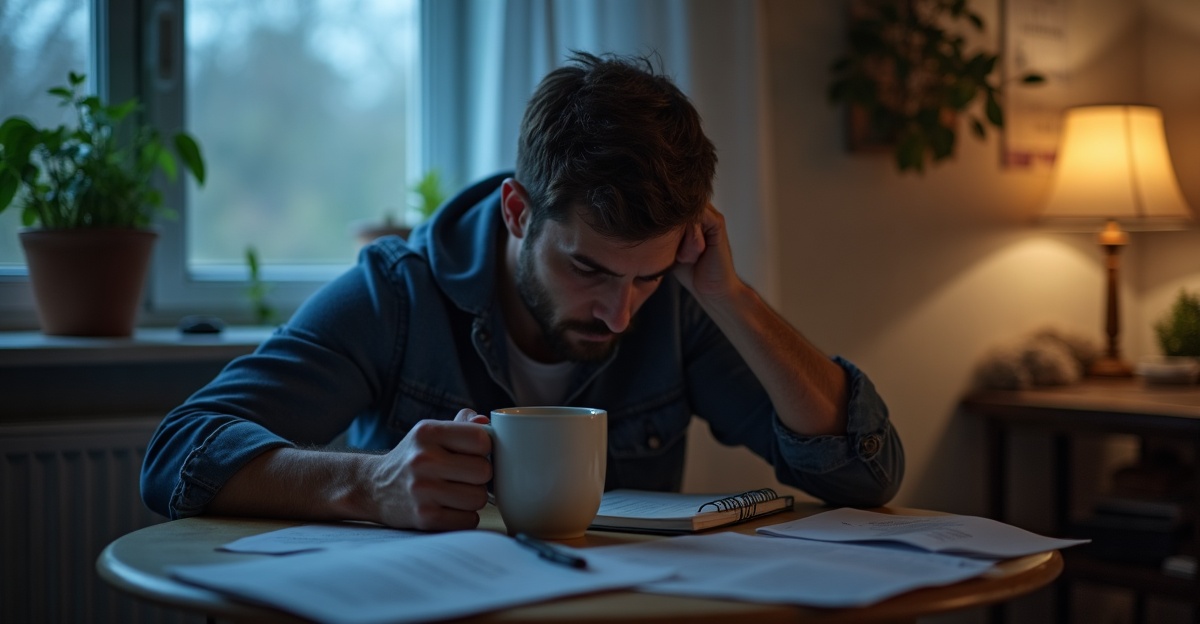
Chronic stress can affect far more than feeling overwhelmed. It can disrupt sleep, energy, digestion, muscle comfort, mood, focus, and relationships when our bodies lack time to recover. Over time, prolonged stress may also affect blood pressure, inflammation, immune function, and heart health. We should consider medical and emotional support for persistent symptoms.
Key Takeaways
- Chronic stress develops when the body’s stress response stays active for weeks or months. Common causes include caregiving, financial pressure, grief, trauma, and relationship conflict.
- Common signs include headaches, fatigue, disrupted sleep, digestive discomfort, muscle pain, irritability, worry, low mood, racing thoughts, and trouble concentrating.
- Long-term stress can affect physical health. We should seek medical care for new, severe, persistent, or worsening symptoms instead of assuming stress causes them.
- Stress may require added support if it disrupts work, school, caregiving, relationships, sleep, or our ability to recover between demands.
- Small boundaries, regular meals, rest, brief recovery practices, trusted support, and therapy can help us manage chronic stress without self-blame.
When Stress Stays “On”: The Effects of Chronic Stress on Your Body and Mind
Stress is part of being human, especially during periods of pressure, loss, uncertainty, or change. When that pressure lasts for weeks or months, it can affect how we feel, think, function, and connect with others. We aren’t overreacting when persistent symptoms make us want answers.
The effects of chronic stress begin when the body’s stress response stays active more often or longer than it was meant to. This can affect sleep, energy, mood, concentration, digestion, muscle tension, and everyday functioning.
Our stress response involves the nervous system and hormones that help us react to perceived danger or ongoing demands. In short bursts, this response can help us get through a difficult moment. With long-term stress, however, the body may have fewer chances to settle and recover. That’s why stress can feel deeply physical rather than “just emotional.”
Chronic stress is a common response to hard circumstances. It doesn’t mean we are weak, failing, or incapable of coping. Parenting, caregiving, demanding work, financial strain, health concerns, relationship conflict, trauma, grief, discrimination, and uncertainty can all keep stress levels high. Many of these circumstances can’t be solved through willpower alone.
Chronic Stress Symptoms: What We May Notice Day to Day
Chronic stress symptoms can look different from person to person. They can also have many possible causes, so we shouldn’t assume stress is the sole explanation for physical or mental health changes. A healthcare professional can help us understand what is happening.
Common Patterns of Long-Term Stress
Stress may show up in several connected areas of life:
- Physical effects may include headaches, muscle tension or pain, fatigue, sleep changes, digestive discomfort, appetite changes, a racing heart, and frequent illness or a general run-down feeling.
- Emotional effects can include irritability, anxiety, sadness, emotional numbness, overwhelm, hopelessness, or a shorter temper than usual.
- Cognitive effects may involve trouble concentrating, forgetfulness, indecision, racing thoughts, and difficulty finishing ordinary tasks.
- Behavioral and relationship effects can include pulling away from others, changes in eating or substance use, procrastination, reduced patience, conflict with loved ones, and trouble keeping up with responsibilities.
The effects of chronic stress can leave us exhausted, irritable, disconnected, physically unwell, or unlike ourselves. Sometimes people keep functioning on the outside while feeling depleted internally. That strain still deserves care and attention.
How Does Stress Affect Physical Health Over Time?
Stress and physical health are closely connected. Long-term stress can disrupt sleep, reduce energy, affect mood and digestion, increase muscle tension, and make pain feel harder to manage. It can also make supportive health habits feel less accessible. Regular meals, movement, rest, and social connection often become harder to maintain when every day feels urgent.
Over time, chronic stress can contribute to changes in blood pressure, inflammation, immune function, and heart health. It may also be associated with chronic health concerns. These connections do not mean that stress directly causes a particular illness. Physical health is shaped by many factors, including medical history, genetics, environment, access to care, and daily habits.
Sleep disruption, appetite changes, reduced movement, ongoing tension, and using alcohol or other substances to cope can also affect how the body feels over time. Addressing stress can therefore include both emotional support and practical care for the body.
We should never dismiss chest pain, severe fatigue, digestive changes, sleep disruption, or other concerning symptoms as “just stress.” New, persistent, or worsening symptoms deserve medical evaluation.
Signs Stress May Be Becoming Too Much
Stress may need more direct support when it feels constant, affects sleep or health, changes relationships, makes responsibilities difficult to meet, or leaves little sense of recovery between demands.
For adults, this may look like being unable to focus at work, feeling on edge throughout the day, or having no energy beyond basic responsibilities. Parents may feel depleted, impatient, emotionally distant, or unable to recharge. Teens may show changes in sleep, school performance, mood, friendships, or regular routines. Couples may experience more conflict, withdrawal, reduced patience, or difficulty communicating under pressure.
Professional support can be especially helpful when stress occurs alongside persistent anxiety, depression, panic, emotional numbness, trauma symptoms, substance use concerns, relationship strain, or difficulty functioning. Burnout can also overlap with chronic stress; our guide to emotional burnout recovery explains some signs that rest alone may not resolve.
Frequently Asked Questions About Chronic Stress
What are the most common symptoms of chronic stress?
Common chronic stress symptoms include fatigue, poor sleep, muscle tension, headaches, digestive discomfort, irritability, worry, low mood, racing thoughts, and difficulty concentrating. The specific pattern varies for each person.
Can chronic stress make us physically sick?
Chronic stress can affect sleep, immune function, digestion, pain, energy, and health habits. Physical symptoms can also have medical causes, so it is important to speak with a healthcare provider rather than assuming stress explains everything.
How do I know if my stress is becoming unhealthy?
Stress may be becoming unhealthy when it feels unrelenting, interferes with work, school, caregiving, relationships, or sleep, or leaves us unable to recover. Feeling unlike ourselves for an extended period is also an important signal.
When should I see a doctor or therapist for stress?
A doctor can evaluate physical symptoms and changes in health. A therapist can help when long-term stress affects mood, functioning, relationships, coping, or the ability to feel present in daily life.
Small, Realistic Ways to Manage Long-Term Stress
Learning how to manage long-term stress does not mean we are responsible for fixing every painful circumstance. These practices can offer support, but they are not quick fixes for financial pressure, caregiving demands, trauma, discrimination, or other realities that require broader help and change.
We can begin by exploring one manageable change instead of expecting ourselves to solve everything at once. Writing down stressors, symptoms, and moments of relief can reveal patterns. This may help us notice whether certain demands, times of day, environments, or interactions affect us most.
Consider reducing, delaying, delegating, or declining one avoidable demand. A small boundary around work hours, caregiving tasks, screen time, or availability can create needed breathing room. Reaching out to one trusted person may also bring practical help, emotional support, or simply a reminder that we do not have to carry everything alone.
Short recovery moments matter. A walk, quiet time, breathing practice, music, stretching, or time outside can help signal safety and rest to the body. Where possible, supporting regular meals, hydration, rest, movement, and sleep routines can also soften some effects of chronic stress. For additional ideas, explore daily stress management and whether mindfulness for stress may fit our needs.
When to Contact a Doctor, Therapist, or Crisis Resource
Contact a healthcare professional for new, severe, concerning, or persistent physical symptoms. Chest pain, trouble breathing, fainting, sudden neurological symptoms, severe fatigue, or major unexplained health changes need prompt medical attention. These symptoms should never be assumed to result from stress.
A primary care provider can assess physical symptoms, rule out or address health concerns, and help us identify appropriate next steps. A mental health professional can help us understand stress patterns, process difficult experiences, build coping tools, set boundaries, improve communication, and create room for emotional recovery.
Therapy is one meaningful form of support alongside medical care, trusted relationships, practical changes, community resources, and self-management tools. It can support adults, teens, parents, and couples living with work stress, caregiving strain, trauma-related stress, relationship challenges, anxiety, burnout, or other ongoing pressures. We can learn more about therapy for anxiety, therapy for burnout, and burnout recovery therapy when these concerns overlap.
If you are thinking about harming yourself, feel unsafe, or feel unable to cope, call or text 988 in the U.S. for immediate crisis support, call 911, or go to the nearest emergency room.
Idaho Falls-area readers can consider reaching out to a local therapist, primary care provider, school counselor, or trusted community resource. You do not have to wait until stress feels unmanageable to ask for support. If ongoing stress is affecting your health, relationships, or ability to feel like yourself, Aspen Mental Health Services can help you explore what is happening and identify supportive next steps. Contact our Idaho Falls team to learn more about therapy options for adults, teens, couples, and families.