

Is Mindfulness Effective for Anxiety and Stress?
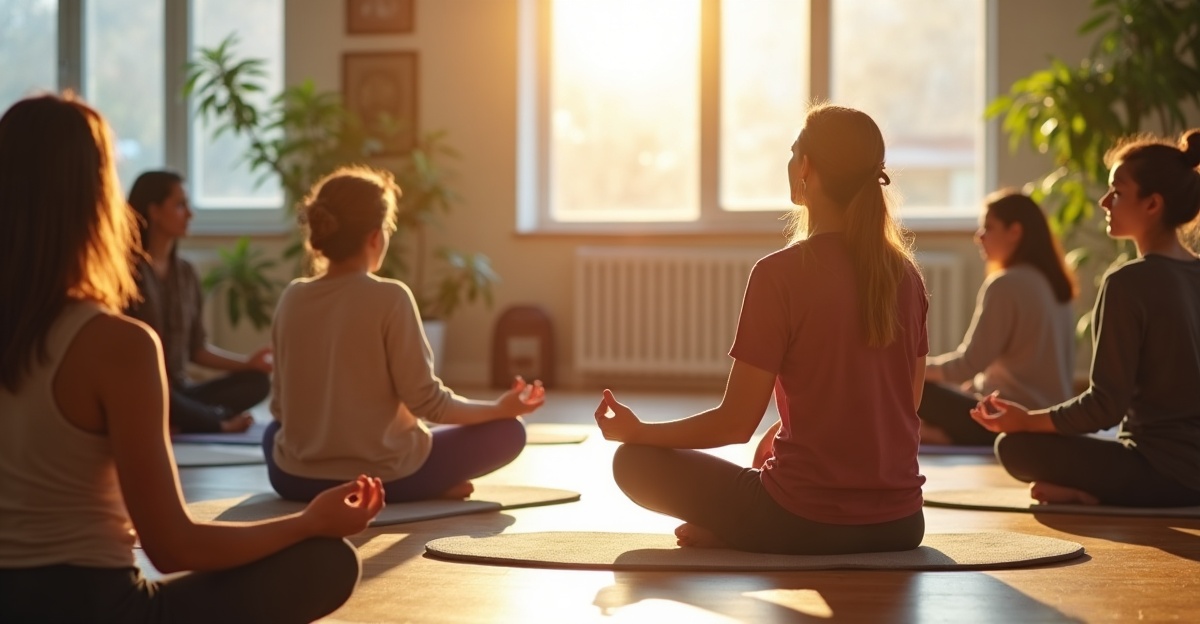
Mindfulness for anxiety has strong research support for reducing stress and emotional overload, especially through structured programs such as Mindfulness-Based Stress Reduction (MBSR) and Mindfulness-Based Cognitive Therapy (MBCT). Although it isn’t a cure-all, steady practice can calm the nervous system, improve emotional regulation, and support long-term stress management. At times, it works well on its own. In other cases, we use it alongside therapy for greater impact.
Key Takeaways
- Research supports mindfulness for anxiety as an effective way to reduce stress symptoms, especially when we practice it consistently over time.
- Mindfulness calms the fight-or-flight response and creates space between anxious thoughts and our reactions.
- Approaches like MBSR and MBCT combine breath awareness, body-focused techniques, and cognitive strategies to shift unhelpful thinking patterns.
- Mindfulness does not require us to empty the mind; it changes our relationship with thoughts instead of trying to remove them.
- For persistent or intense anxiety, mindfulness often works best as part of a broader treatment plan that includes professional support.
What the Research Really Says About Mindfulness and Anxiety
Research suggests that mindfulness for anxiety can significantly reduce symptoms of stress and emotional overwhelm, especially when practiced consistently. If we’ve ever wondered, does mindfulness help anxiety, the balanced answer is yes—for many people, it can.
Two of the most studied approaches are Mindfulness-Based Stress Reduction (MBSR) and Mindfulness-Based Cognitive Therapy (MBCT). Both have been shown across many studies to reduce symptoms of anxiety and stress. MBSR teaches structured mindfulness practices such as body scans and breath awareness. MBCT blends mindfulness with cognitive therapy skills to help us notice and shift unhelpful thought patterns before they spiral.
At the same time, mindfulness is one of several effective anxiety coping methods. It isn’t a cure-all, and it doesn’t erase every anxious thought. For some, it’s powerful on its own. For others, it works best alongside therapy or additional support.
Consistency matters. A few minutes once in a while may feel calming, but long-term change usually happens with regular practice. If we’ve tried to calm our minds and felt frustrated, we’re not alone. Mindfulness is a skill that develops over time. It’s practice—not perfection—that shapes results.
How Mindfulness Calmly Shifts Your Stress Response
Mindfulness means paying attention to the present moment, on purpose, without judgment. That’s it. We notice what’s happening inside and around us, and we gently return our focus when our minds wander.
From a nervous system perspective, anxiety activates our fight-or-flight response. Our heart rate increases. Breathing becomes shallow. Thoughts speed up. Mindfulness helps calm this stress response by slowing breathing and grounding attention in the present moment. When practiced regularly, it supports the body in shifting out of survival mode.
Psychologically, mindfulness strengthens awareness of thought patterns. Instead of getting swept away by anxious thinking, we learn to notice: “This is a worry thought.” That small bit of space can change everything. We can learn to notice our thoughts instead of being carried away by them.
It also builds emotional regulation. Mindfulness creates a pause between trigger and response. In that pause, we get more choice. We can breathe. We can soften tension. We can choose how to respond instead of reacting automatically.
It’s helpful to distinguish between everyday stress and clinical anxiety disorders. Everyday stress is usually situational and temporary—a deadline, a conflict, a big decision. Clinical anxiety is more persistent. Worry feels disproportionate and interferes with daily life, relationships, sleep, or work.
Mindfulness may support both. At the same time, more intense or long-standing anxiety often benefits from professional guidance. Self-guided tools can open the door. Therapy can help us walk through it safely and confidently.
For a deeper look at how mindfulness works in daily life, we explore this further in our article on how mindfulness helps with anxiety.
Simple Mindfulness Techniques for Stress You Can Try Today
These are practical, accessible practices. We don’t need a silent retreat or an hour of free time. Many mindfulness techniques for stress take just a few minutes and can fit into everyday routines.
Five Gentle Practices to Begin
Here are simple ways to start:
- Breath Awareness
Sit comfortably. Inhale slowly for four counts and exhale for six. Notice the sensation of air moving in and out. There’s no need to control the breath beyond the gentle count. If the mind wanders, gently bring it back. - 5-4-3-2-1 Grounding Exercise
Name five things we see.
Four things we feel.
Three things we hear.
Two things we smell.
One thing we taste.
This interrupts spiraling thoughts and anchors attention in the present. - Body Scan
Slowly bring attention from head to toe. Notice areas of tension without judging them. Gently invite tight muscles to soften, even slightly. - Mindful Walking
Walk slowly and pay attention to the feeling of the feet touching the ground. Notice colors, sounds, and movement around us without labeling them as good or bad. - Short Guided Pauses
Set a two-minute timer during the day. Close the eyes if that feels safe. Notice breath, tension, and thoughts. No need to fix anything. Just observe.
Most of these practices take between two and ten minutes. We can use them in the car before work, between meetings, or while settling into bed. Small moments add up.
Why Mindfulness Isn’t About “Emptying Your Mind”
One of the most common misconceptions is that mindfulness means stopping thoughts. It doesn’t. Minds think. That’s what they do.
Mindfulness changes our relationship to thoughts. Instead of fighting them or believing every worry, we watch them come and go. Over time, they often feel less powerful.
Frustration is common in the beginning. If the mind feels especially loud during practice, that doesn’t mean we’re doing it wrong. Anxiety can make thoughts persistent and intense. When we sit quietly, we may notice them more clearly. That awareness is part of the process.
We approach anxiety gently, not critically. We don’t blame ourselves for having a busy mind. We practice returning to the present moment with patience.
Breathing exercises alone are not enough for everyone. If anxiety is severe, trauma-related, or deeply rooted, mindfulness may need to be part of a broader support plan.
When Mindfulness Isn’t Enough—and How Therapy Can Support You
Sometimes anxiety feels constant or escalating. Panic attacks may occur. Sleep may suffer. Work, parenting, or relationships can start to feel overwhelming. We might feel emotionally exhausted or stuck despite trying self-help strategies.
In those moments, additional support can make a meaningful difference.
Persistent anxiety disorders often benefit from structured treatment, such as cognitive behavioral therapy, MBCT, trauma-informed therapy, or approaches like Acceptance and Commitment Therapy (ACT). These therapies can integrate mindfulness for anxiety alongside other anxiety coping methods, helping us build insight and practical tools together.
If burnout is part of the picture, it may help to understand how therapy can help with burnout and chronic stress patterns that fuel anxiety.
For those exploring options beyond medication, we also share guidance on managing anxiety without medication while still getting meaningful support.
Therapy isn’t a last resort. It’s a form of care. It gives us structured space to explore patterns, build skills, and heal emotional wounds at a pace that feels safe.
If we’re living in Idaho Falls or nearby communities and feel overwhelmed by anxiety, stress, or burnout, we’re here to explore next steps together. We can work side by side to find approaches that support real healing—not just temporary relief.