

Healthy Coping Skills for Teens Under Stress
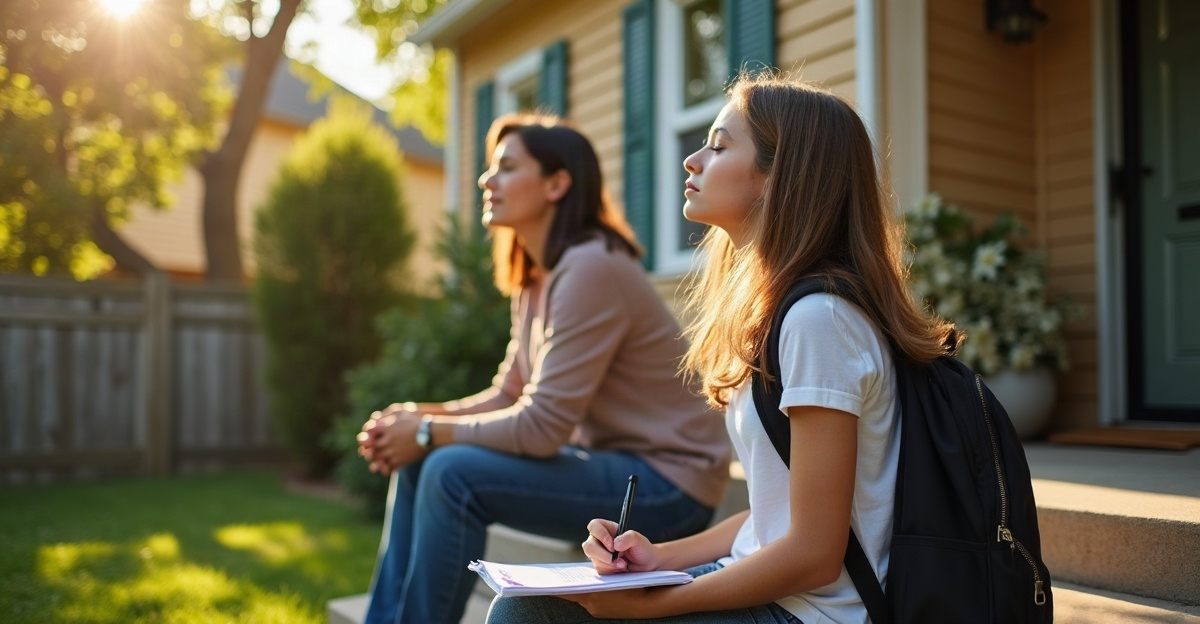
Healthy coping skills can give teens space between overwhelming emotions and impulsive reactions. They can respond to school pressure, conflict, anxiety, and social stress with more support and safety. Grounding, movement, smaller task steps, and trusted relationships can help teens handle difficult moments. Persistent or severe distress may call for professional care.
Key Takeaways
- Healthy coping skills help teens recognize difficult feelings and choose a manageable next step instead of ignoring or suppressing distress.
- In-the-moment tools, such as slow breathing, sensory grounding, muscle relaxation, calming music, or a brief walk, can help the body settle during anxiety or overwhelm.
- Teens can match coping strategies to each situation. They can use movement for anger, divide schoolwork into smaller tasks, or contact supportive people during loneliness.
- A practical coping plan can list early signs of stress, easy-to-use tools for different settings, and one trusted person for support.
- Parents and caregivers can support teens by listening with validation, offering choices, removing practical barriers, and getting prompt help when safety or daily functioning suffers.
When Stress Feels Like Too Much: Start With Safety and Support
Adolescence can bring real pressure from schoolwork, social expectations, identity development, changing relationships, family stress, bullying, grief, discrimination, financial strain, and uncertainty about the future. These experiences deserve care. Teen stress is not simply hormonal, dramatic, or something to dismiss as temporary.
Stress and anxiety are real, and healthy coping skills can help teens move through difficult moments. Still, coping strategies do not replace individualized care when symptoms persist, worsen, or feel severe. Learning about teen emotional challenges can also help families recognize when stress may need added support.
Immediate help is needed if a teen is thinking about suicide, self-harm, harming someone else, experiencing abuse, or cannot stay safe. In the United States, call or text 988 to reach the Suicide & Crisis Lifeline. Call 911 or go to the nearest emergency department when there is immediate danger.
Teens can tell a trusted adult, school counselor, primary care provider, or licensed mental health professional when they need support. This article is educational and is not a replacement for individualized mental health care, diagnosis, or emergency support.
What Healthy Coping Skills Actually Do
Healthy coping skills for teens are intentional ways of responding to stress, thoughts, emotions, and difficult situations. They help create a little space between a hard feeling and an impulsive reaction. That space can make it easier to rest, ask for help, communicate clearly, or choose a manageable next step.
When we ask, “What are healthy coping skills for teens?” the answer is not “ignore the feeling” or “push through no matter what.” Coping tools do not erase pain, suppress emotions, or excuse harmful behavior. They support teens as they acknowledge what is happening and care for themselves while they work through it.
Stress can feel especially intense during the teen years because emotional, social, and developmental changes happen quickly. At the same time, teens often have limited control over school demands, family routines, transportation, finances, and living circumstances. Supportive relationships and practical changes matter alongside coping skills, especially with bullying, grief, family conflict, discrimination, trauma, or academic pressure.
No single tool works every time. A useful list of coping skills for teens gives room to explore what feels safe, realistic, and supportive. Neurodiversity, trauma history, culture, privacy needs, family circumstances, and access to resources can all shape what helps.
Coping Skills for Teens to Calm Anxiety and Stress in the Moment
Anxiety coping skills for teens are low-pressure options for calming the body enough to choose what comes next. Slow breathing can help when the body feels tense, shaky, or panicked. We can breathe in gently, then let the exhale last slightly longer than the inhale. The goal is not perfect breathing. It is a small physical signal of safety.
The 5-4-3-2-1 exercise can help when anxiety feels consuming. Name five things that can be seen, four things that can be felt, three things that can be heard, two things that can be smelled, and one thing that can be tasted. Other sensory grounding can be as simple as noticing a texture, color, sound, or familiar object nearby. Teens who are interested in present-moment practices may also explore mindfulness for anxiety.
Progressive muscle relaxation can also release held tension. Slowly tense and release one muscle group at a time, such as hands, shoulders, or legs. A physical reset may feel easier than talking in some moments. Cool water, an ice cube, a warm shower, calming music, or a brief walk can all help the nervous system settle.
Naming the experience can create helpful distance: “I’m feeling anxious,” “My body is stressed,” or “I’m overwhelmed right now.” This does not minimize the feeling. It helps teens notice that the feeling is present without defining everything. A realistic coping statement can help too: “This is hard, but I can take one small step.” Teens who get caught in racing thoughts can practice ideas from calming an overthinking mind.
Coping skills for teens with anxiety work differently from person to person. If one strategy does not help in a particular moment, trying another tool is not failure. The focus is the next manageable step, not solving every problem at once.
A Practical Coping Skills List for Teens by Situation
This coping skills list for teens can offer a starting point for common stressful situations.
Options for Different Kinds of Stress
- For anger or intense emotions: Take a safe pause before responding during conflict. Use movement such as stretching, walking, dancing, or a few jumping jacks when the body feels activated. Tear scrap paper, draw, listen to music, or rate the feeling from 1 to 10. Return to the conversation after the body has settled.
- For school stress and overwhelm: Break an assignment into smaller steps. Set a timer for one short work period, then take a brief restorative break. Make a short priority list and begin with the most urgent or manageable task. Ask a teacher, counselor, or trusted adult for clarification when work feels confusing or unmanageable.
- For social stress or loneliness: Text a trusted person or spend time with a supportive friend. Join a low-pressure club, team, creative space, or community activity when available. Practice a boundary such as, “I can’t talk about this right now,” or, “I need a little space.” Tell a trusted adult when bullying, exclusion, peer conflict, or loneliness feels too heavy to carry alone.
- For a difficult day or conflict: Journal, make art, listen to music, take a walk, or talk through what happened. Before trying to solve the problem, identify what is needed: rest, food, space, reassurance, clarification, or support.
A short break to regulate can be healthy. Ongoing avoidance of school, relationships, responsibilities, or difficult conversations can make distress harder over time. We do not need to shame teens for screen time, isolation, or other attempts to cope. These patterns may instead signal that more support is needed. Everyday stress management skills can help teens build steadier routines between hard moments.
Build a Coping Plan That Fits Real Life
For coping skills for teens under stress, we recommend choosing one small step. Rather than building an entire routine at once, teens can test one or two tools this week. Practice during calmer moments whenever possible. Skills often feel more available during stress when they have already become familiar.
A simple personal plan can include signs that stress is building, such as headaches, irritability, shutting down, racing thoughts, trouble sleeping, or numbness. It can also name one quick tool for school or public settings, one private or creative tool for home, and one person to contact when stress feels too heavy to manage alone.
The best plan is accessible. It does not need money, transportation, specialized supplies, privacy, or a highly supportive home environment. A note in a phone, a quiet bathroom break, a glass of water, a grounding object, or a message to a trusted adult can all be meaningful options. Regular mental health self-care can support this foundation.
Teens do not have to handle every stressor alone, especially when circumstances outside their control contribute to distress. Coping skills can support healing, but adults and systems also have a responsibility to reduce unnecessary pressure and protect safety.
How Parents and Caregivers Can Support a Stressed Teen
Parents and caregivers can support coping skills for teens by listening before offering advice, consequences, or solutions. Validation does not mean agreeing with every conclusion or behavior. It means recognizing that the emotion is real.
Supportive phrases can sound like: “That sounds really hard.” “I’m glad you told me.” “Do we want help solving this, or do we mostly want someone to listen?” “We can figure out the next step together.”
Offer choices when possible, such as taking a walk, getting a snack, sitting quietly, or talking later. Avoid forcing a teen to use a coping skill while they are highly overwhelmed. Support regulation first, then revisit options after the intensity has eased.
How can parents help teens cope with stress in practical ways? They can contact school staff, adjust routines, help break down tasks, and connect teens with safe support. Respect growing autonomy while staying attentive to withdrawal, mood changes, anxiety, conflict, behavior changes, or difficulty functioning at school or home.
When a Teen May Need More Support Than Coping Skills Alone
A teen should receive added support when distress is persistent, worsening, or affecting sleep, school, friendships, family relationships, daily responsibilities, or enjoyment of life. Persistent isolation, ongoing avoidance of school or relationships, substance misuse, major changes in functioning, self-harm, suicidal thoughts, threats of harm, or abuse all warrant prompt support from a trusted adult and qualified professional.
When should a teen talk to a therapist? Therapy can help when stress feels too difficult to manage with personal tools and support alone. It offers a confidential, supportive place to explore stressors, understand emotions, strengthen coping skills, and involve caregivers when appropriate. Aspen Mental Health Services supports Idaho Falls-area teens, parents, and families who want to explore therapy options or ask questions about mental health support.
Healthy coping skills for teens are intentional tools for responding to stress, emotions, thoughts, and difficult situations in ways that support wellbeing. Coping skills for teens with anxiety may include slow breathing, grounding, realistic coping statements, writing down worries, setting aside designated worry time, and focusing on one manageable next step.
At school, a teen can take a brief restorative break, divide work into smaller tasks, use a timer, and ask a teacher, counselor, or trusted adult for help. Continued support matters when these steps are not enough. Families can also learn how therapy builds coping skills as they consider the support that may fit their situation.