

How to Relieve Anxiety Before Sleep and Get Better Rest?
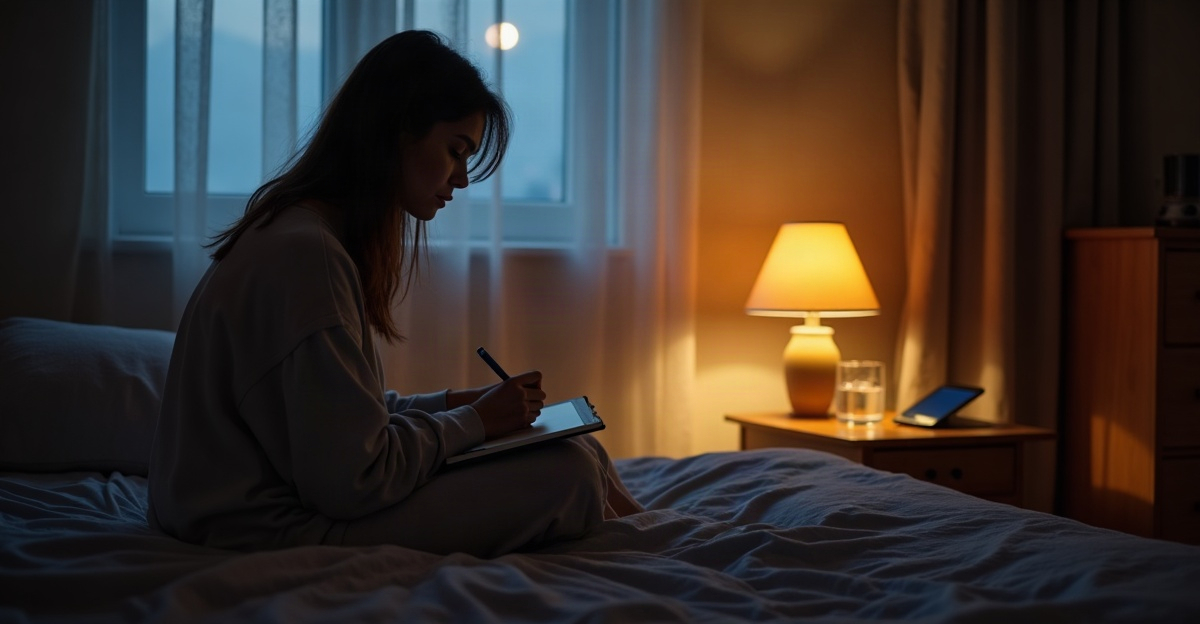
Anxiety before sleep can make worries, racing thoughts, and physical tension feel stronger once the day grows quiet. Stress can build throughout the day without a release. Better rest often starts with less pressure to sleep, calming routines, fewer activating habits, and support for persistent nighttime anxiety.
Key Takeaways
- Bedtime anxiety can reflect the nervous system’s response to stress, uncertainty, painful experiences, or prolonged alertness. It doesn’t signal personal failure.
- A consistent wind-down routine, worry list, grounding exercise, or calming sensory activity can help the mind and body shift into rest.
- If sleep doesn’t come, we can focus on quiet rest, avoid checking the clock, and leave bed briefly for a low-stimulation activity. These steps can ease pressure around sleep.
- Late caffeine, alcohol, stimulating media, irregular schedules, and ongoing work can increase nighttime anxiety and interrupt sleep.
- Therapy, medical care, or sleep support can help when anxiety before sleep occurs often, feels intense, lasts for weeks, or affects daily life.
You’re Not Failing: Why Bedtime Anxiety Can Feel So Loud
Bedtime anxiety is common, especially when the noise and demands of the day finally fade. In the quiet, worries that felt manageable earlier can become louder, and racing thoughts may make it hard to settle.
Anxiety before sleep is not a sign that we lack willpower, discipline, gratitude, or resilience. Our nervous systems can respond strongly to real stress, uncertainty, painful experiences, and the pressure we carry through the day. Dread at bedtime often reflects a body and mind that have stayed alert for too long.
Fewer distractions can leave more room for worries about tomorrow, unfinished tasks, relationships, health, finances, or family responsibilities. Stress may also build across the day without much chance to release it. Over time, if we repeatedly lie awake feeling tense, the brain can start to associate the bed with wakefulness and worry rather than rest.
Nighttime anxiety can occur alongside generalized anxiety, panic, trauma, depression, grief, parenting strain, relationship stress, chronic insomnia, medical concerns, medication effects, or substance use. We do not need to label the experience alone to recognize that difficulty falling asleep deserves care and attention.
Better rest rarely comes from forcing anxiety to disappear in one night. A gentler goal is to help the body feel a little safer, reduce pressure around sleep, and notice which supports make a meaningful difference over time.
How to Calm Down Anxiety Before Sleep: Gentle Strategies to Try Tonight
Learning how to calm down anxiety before sleep does not require a perfect routine. We can treat each practice as a small experiment. Choose one that feels realistic, try it consistently for several evenings, and notice whether it offers even a little relief.
A wind-down routine gives the mind a transition between the day and rest. When possible, dim lights and step back from stimulating work, news, social media, intense shows, or emotionally charged conversations before bed. The aim is not to control every thought. It is to reduce signals that tell the brain it needs to stay on alert.
Writing can also create a useful pause. A brief worry list lets us place concerns somewhere other than our minds. After naming each concern, write one realistic next step to revisit tomorrow. Some worries will not have an immediate solution, but we can still remind ourselves that they do not need to be solved in bed. For added support with repetitive thoughts, explore calming an overthinking mind.
A grounding exercise can bring attention back to the present moment. Slowly identify five things we can see, four things we can feel, three things we can hear, two things we can smell, and one thing we can taste. This practice may help shift focus away from an imagined future and back to the safety cues around us.
Breathing for anxiety can help some people settle, particularly with a slow, comfortable exhale. We might inhale gently, then let the exhale last a little longer without straining or counting rigidly. No breathing technique works the same way for everyone. If focused breathing feels uncomfortable, grounding through touch, sound, or movement may feel more supportive. Our guide on mindfulness for anxiety offers another calm way to practice present-moment awareness.
Calming sensory cues can also support a softer transition into sleep. A warm shower, quiet music, a familiar book, gentle stretching, or comfortable bedding may help the body recognize that it is time to slow down. Small practices often work best when we repeat them with patience rather than expecting immediate results. We can also explore non-medication anxiety support for additional everyday tools.
When We Cannot Fall Asleep Because of Anxiety
When we cannot fall asleep because of anxiety, sleep can start to feel like a performance we are failing. Monitoring the time, calculating how few hours remain, or demanding that the body sleep now often adds pressure. Sleep anxiety can then keep the nervous system even more awake.
Instead, we can reframe the goal as rest. Quiet rest is still meaningful, even if sleep does not arrive right away. A compassionate thought may sound like this: “I do not have to force sleep right now. I can let my body rest.”
Avoid clock-watching if possible. Turning the clock away or placing the phone out of reach can reduce the urge to track every minute. Harsh self-talk also deserves a gentle interruption. Insomnia and anxiety are difficult experiences, and frustration makes sense. It does not mean we are doing anything wrong.
If lying awake becomes increasingly tense or frustrating, it can help to leave the bed for a quiet, low-light activity until drowsiness returns. We might read a familiar book, listen to gentle music, or sit comfortably in dim light. Keep the activity simple and low stimulation, then return to bed when the body feels sleepier. This approach can gradually weaken the connection between bed and prolonged worry.
Habits That May Be Adding to Bedtime Anxiety
Bedtime habits can influence how settled or activated we feel, but this is never about blame. Irregular schedules, late work, emotionally intense media, and inconsistent sleep patterns can make it harder for the mind to slow down. Even practical demands can leave us carrying unfinished stress into the evening.
Caffeine and anxiety can be connected for some of us, especially when caffeine is used later in the day. Alcohol and sleep can also interact in ways that feel confusing. Alcohol may initially make us feel sleepy, yet it can disrupt sleep later in the night. Nicotine, cannabis, supplements, and over-the-counter sleep aids can affect anxiety and sleep differently from person to person.
Rather than making sweeping changes all at once, we can explore one adjustment at a time. That might mean moving caffeine earlier, creating a clearer end to the workday, or choosing less activating content before bed. A flexible sleep routine is often more sustainable than a rigid one. For practical ideas that support daily balance, see managing daily stress and these mental health self-care tips.
If medications, supplements, alcohol, cannabis, or other substances may be affecting sleep, a qualified healthcare professional can help us assess the situation safely. Persistent sleep concerns also deserve medical attention, particularly when they affect energy, mood, or daily functioning.
When Anxiety Before Sleep May Be a Sign to Seek Support
Self-help strategies are useful, but they are not a test of strength. Sometimes anxiety before sleep needs individualized care, especially when it becomes frequent, intense, or exhausting.
Therapy for anxiety, primary care, or support from a sleep specialist may be helpful when panic symptoms at night occur, sleep disruption lasts for weeks, or fatigue affects work, relationships, school, parenting, or daily tasks. Support can also be important when mood is worsening, trauma-related memories make bedtime feel unsafe, or chronic insomnia has become part of life.
Grief, relationship stress, depression, medical conditions, medication effects, and parenting strain can all shape how we experience nighttime anxiety. We do not have to sort through these layers alone. Mindfulness can be one supportive skill, and we can learn more about mindfulness for stress relief while considering whether more personal support would help.
If we are experiencing thoughts of self-harm, feel unsafe, or are in immediate danger, call or text 988 in the U.S. for the Suicide & Crisis Lifeline, call 911, or seek emergency support right away.
Therapy for Anxiety and Sleep Concerns in Idaho Falls
Therapy can offer a supportive space to explore what makes bedtime feel difficult. Racing thoughts, panic, ongoing stress, trauma-related fear, and sleep disruption can each affect rest in different ways. We can explore these patterns with care rather than treating them as personal shortcomings.
At Aspen Mental Health Services, therapy for anxiety and sleep concerns in Idaho Falls is collaborative and individual. Together, we can identify patterns that may be keeping the nervous system activated, build coping tools that fit daily life, and support healing at a manageable pace. There is no expectation to have the right words or a clear plan before reaching out.
For people in Idaho Falls and surrounding areas, Aspen Mental Health Services can provide compassionate Idaho Falls therapy and support for better rest when anxiety before sleep is affecting well-being. Asking for support can be a meaningful next step.